

FMCSA’s New Non-Domiciled CDL Rule Explained for Truck Drivers
The trucking sector is moving towards compliance with the rules, as the FMCSA Non-Domiciled CDL Rule will take effect in 2026. The regulation will significantly change the way some commercial drivers qualify for and maintain a Commercial Driver’s License (CDL) in the US. The rule will directly affect the licensing time, job eligibility, and roadside compliance requirements for many truck drivers, especially those with temporary employment authorization.
Non-Domiciled CDL is a license for U.S. commercial vehicle operators who do not have permanent residency. The FMCSA states that the purpose of the new rule is to strengthen identity verification, enhance road safety, and standardize CDL requirements across all states.
On the other hand, labor shortages and increasing traffic remain the industry’s main problems. Besides, the number of women entering trucking and logistics jobs is increasing, making compliance training more essential for the wider workforce.
What Is a Non-Domiciled CDL?
A Non-Domiciled CDL permits qualified foreign workers to legally operate commercial motor vehicles in the United States. This license is a different category than a standard CDL issued to U.S. residents and is meant for drivers who are temporarily working in the country under approved immigration classifications.
In accordance with the current FMCSA CDL Rules, applicants must submit documentation proving lawful employment authorization to be eligible for a CDL. State licensing agencies will also verify your immigration status when you apply.
Some sectors that typically depend on Non-Domiciled CDL holders are:
- Farmers transport
- Seasonal warehousing and freight handling
- Worksite materials handling and road construction
- Grocery delivery
- Regional and local delivery routes
Since safe commercial driving is closely linked to public roadway safety, the FMCSA closely regulates these licenses.
What Changed Under the FMCSA Rule in 2026?
The FMCSA Rule Changes 2026 are set to introduce stricter eligibility requirements, document verification, and CDL license validity requirements.
Restricted Immigration Categories
The change in immigration categories is the most significant development for the approved class of workers. Only a few categories of temporary workers will be eligible to obtain a Non-Domiciled CDL under the updated rule.
The approved categories are:
- H-2A temporary agricultural worker
- H-2B temporary non-agricultural worker
- E-2 treaty investors
States’ interpretation of some immigration categories may no longer apply to those categories, which will now be guided by federal rules.
The change is estimated to affect thousands of drivers who have so far relied on the broader eligibility criteria for the documents.
Tougher Document Verification
State Driver Licensing Agencies (SDLA) must, without fail, perform enhanced immigration verification before issuing or renewing a CDL.
The enhanced verification procedure may consist of:
- Checking I-94 documents
- Verifying in the SAVE database
- Confirming employment authorization
- Revalidating immigration status
Besides that, states will also be compelled to analyze Non-Domiciled CDLs issued earlier that may not meet federal standards.
The implication for drivers is that they must be more diligent than ever in ensuring their documentation is accurate. The absence or expiration of documents may lead to delays in renewals or temporary work stoppages.
One-Year CDL Validity Rule
Another significant change is the reduction in the lifespan of a Non-Domiciled CDL.
According to the revised regulation, licenses can be valid for:
- A maximum of one year OR
- The expiration date is printed on the immigration papers.
Those who previously had longer renewal cycles will now have to renew their licenses more often and update their documents more frequently.
Why the New Rule Matters for Truck Drivers
The FMCSA Non-Domiciled CDL Rule arrives at a time when the trucking industry is already dealing with workforce pressure and stricter enforcement.
According to industry labor estimates, the U.S. trucking sector still faces a shortage of tens of thousands of drivers. At the same time, roadside inspections involving license validity, medical certification, and English-language proficiency have increased nationwide.
For women balancing family schedules, career growth, and compliance responsibilities, staying organized with CDL documentation is becoming increasingly important.
Drivers may also experience increased roadside scrutiny related to:
- License expiration dates
- Immigration verification
- Medical certification records
- English-language communication requirements
Failure to maintain valid records could result in out-of-service violations, delayed employment opportunities, or license suspension.
How the FMCSA SAP Program Connects to CDL Compliance
New licensing changes primarily address immigration checks and CDL qualifications. Still, driver compliance programs remain a vital aspect of trucking careers.
After a driver goes through the DOT SAP Program, they are not allowed to operate regulated vehicles until several federally required steps are completed. Those steps may consist of:
- Clinical evaluation
- Following up on educational and/or treatment activities
- Drug and/or alcohol testing
- Obtaining the clearance to resume regulated work
DOT SAP-certified providers not only assist drivers during the compliance process but also offer support to employers in sustaining federal transportation standards.
National Drug Screening and similar organizations provide support to drivers in meeting return-to-duty requirements and long-term DOT compliance.
Steps Drivers Should Take to Stay Compliant
Keep Immigration Documents Updated
Drivers should periodically check work authorization documents and their expiration dates. Using expired documents can hold up licensing or even disrupt work.
Prepare for English Proficiency Checks
FMCSA officers may assess a driver’s communication skills during roadside inspections and during emergencies. If drivers know a few transport terms and safety phrases by heart, they will be ready at all times.
Monitor CDL Expiration Dates
As Non-Domiciled CDLs may expire sooner, it is highly advisable for drivers to make renewal bookings without delay.
Work With Certified Compliance Professionals
Professional compliance consultants and experts in CDL matters are well-equipped to explain federal regulatory changes and help drivers avoid costly errors.
Closing Remarks
The FMCSA Non-Domiciled CDL Rule is a pretty major shift in commercial driver licensing standards, and it will take effect in 2026. For professional drivers eyeing long-term careers in transportation , preparation is starting to feel almost as important as driving experience itself. People who keep their documentation in order, understand federal laws, and stay on top of the FMCSA CDL Rules they must follow tend to have a clear path to run everything smoothly, safely, and, importantly, in compliance with the U.S. trucking industry’s toughest regulations.
Related Article: Can You Challenge a False Positive on a DOT Drug Test? (2026 CDL Driver Guide)
Frequently Asked Questions
1. Who qualifies for a Non-Domiciled CDL under the new FMCSA rule?
Basically, only drivers who can work under a granted visa, like H-2A , H-2B , or E-2, might actually be approved, as long as they also meet every federal and state CDL requirement, without skipping anything.
2. How long is a Non-Domiciled CDL valid in 2026?
Usually, Non-Domiciled CDLs last 1 year, or they end earlier when the immigration paperwork expires, whichever comes first, because the documentation controls the clock.
3. Can EAD holders still apply for a Non-Domiciled CDL?
In some immigration cases, people with an Employment Authorization Document may be excluded from eligibility because state verification rules don’t always align with EAD status, which can block the process.
4. What happens if a driver fails English proficiency checks?
If a driver can’t communicate clearly during roadside inspections, then enforcement can follow. That might mean violations, being put out of service. or other actions depending on what the officer documents.
5. How does the DOT SAP Program help CDL drivers?
The SAP Program Services, acting on behalf of the Department of Transportation, helps drivers complete the required federal steps to stop drug or alcohol use and then return to safety-sensitive driving roles legally.
Learn More
How Truck Drivers Can Find a DOT SAP Program Near Them
For commercial truck drivers, a DOT drug or alcohol violation often results in immediate problems with employment and adherence to FMCSA regulations. Drivers who are designated as “prohibited” from the FMCSA Drug and Alcohol Clearinghouse will not be allowed to perform safety-sensitive tasks until they undergo the return-to-duty procedure. Locating a qualified DOT SAP Program near them is a major step.
Having a grasp of the method can help drivers advance confidently and avoid delays that could negatively impact their career prospects.
What Is a DOT SAP Program?
DOT SAP Program is a government-mandated framework intended for CDL drivers and other safety-sensitive staff members who commit drug- or alcohol-related violations of Department of Transportation rules.
A person trained as a Substance Abuse Professional (SAP) first checks the driver and then, if needed, refers the driver to education or treatment. Finally, SAP assesses when the person is permitted to return to work in compliance with DOT rules. According to the FMCSA Clearinghouse, drivers are required to undergo the SAP procedure before resuming safety-sensitive work.
Understanding the SAP Process
The SAP program is much more than just a counseling session. It is an organized return-to-duty plan controlled by federal DOT regulations.
A licensed SAP can be one or more of the following professionals:
- Counselors
- Psychologists
- Social workers
- Addiction specialist certified
- Doctors with certain qualifications as SAP
SAP is responsible for determining whether the driver has successfully met the conditions of treatment or educational programs to return to work.
When Drivers Need a SAP Program
After the following incidents, truck drivers may be required to undergo a SAP evaluation:
- Failing a drug test done by DOT
- Positive test for alcohol misuse
- Refusal to take a DOT-required test
- Certain violations recorded in the Clearinghouse
Once a violation is entered in the FMCSA Clearinghouse, the driver’s status is prohibited until the completion of return-to-duty steps.
How the FMCSA Return-to-Duty Process Works
The Department of Transportation (DOT) has a return-to-duty process that involves several steps.
Step 1: SAP Evaluation
During this step, the driver and a qualified Substance Abuse Professional discuss the situation that led to the initial assessment. The SAP decides on the ideal education or treatment after assessing the facts and the driver’s background.
Step 2: Education or Treatment Recommendation
According to the outcome of the assessment, the SAP may advise one or more of the following:
- A course on drug education
- Talking sessions or counseling
- Treatment at a drug and alcohol outpatient facility
- Residential (inpatient) drug and alcohol rehab programs
Such recommendations are made with the specifics of each person’s situation in mind.
Step 3: Follow-Up Evaluation
Once the driver has completed the treatment/education/rehab program deemed necessary, he/she must undergo another evaluation with the SAP. Provided the SAP considers the situation a success in terms of adherence, the driver can proceed to the next phase.
Step 4: Return-to-Duty Drug Test
Before the driver is allowed to perform safety-sensitive work, he or she must take, complete, and pass a drug or alcohol test.
Step 5: Follow-Up Testing Program
Drivers who have returned to their duties are still required to undergo follow-up tests for a duration determined by SAP. According to guidance from the Federal Motor Carrier Safety Administration (FMCSA), follow-up testing may be extended for several months or even years, depending on the particular case.
How to Find a DOT SAP Program Near You
It is crucial to identify the right SAP provider, as any delay or incomplete documentation will extend the return-to-duty timeline.
Search the FMCSA Clearinghouse
The FMCSA Clearinghouse is a great platform that drivers can use not only to handle return-to-duty activities but also to designate their SAP. The Clearinghouse will do the monitoring of violations, SAP reports, and return-to-duty status updates.
Look for Qualified SAP Providers
The driver could ask the provider if they are DOT-qualified and have experience with FMCSA regulations. A lot of counselors and addiction specialists are not authorized to do SAP evaluations.
Check Experience With CDL Drivers
While some SAP professionals have worked extensively with truck drivers and are fully conversant with the CDL employment, Clearinghouse, and return-to-duty timeline issues.
Ask About Virtual Evaluations and Scheduling
Nowadays, many providers are not only offering remote evals but also providing flexible scheduling and quick appointment availability. This will allow the driver to initiate the procedure quickly, especially in rural areas.
What Should Truck Drivers Know Before Picking a SAP Program?
It is advisable for drivers to inquire about several practical matters related to the process before choosing a SAP provider.
A few noteworthy aspects are:
- Experience in DOT compliance
- Ability to schedule appointments
- What documents are needed
- How long will the process take
- What kind of support is available after the process
- How is confidentiality maintained?
Please be cautious of SAP providers who promise results beyond what is realistically possible, or even “guaranteed” job placement upon completion of their services.
One of the well-known SAP providers in this industry is DOT SAP Services, which not only offers SAP evaluations but also provides return-to-duty guidance to CDL drivers all over the United States.
Is It Possible for Drivers to Find Return-to-Duty Truck Driver Jobs After Completing SAP?
Upon completing the SAP process, a significant number of drivers are able to return to the trucking sector quite successfully.
Nevertheless, it might take some effort on the driver’s part to find return-to-duty truck driving jobs, as most employers review the Clearinghouse records during the hiring process. Besides, drivers who follow all the steps and maintain their compliance are likely to have better opportunities to return to safety-sensitive work.
There are a few companies that focus on recruiting drivers who have met the return-to-duty requirements, while others may require more experience or a shorter monitoring period.
Most Mistakes That Drivers Make and Shouldn’t
One major error most drivers make is delaying the SAP evaluation too long, which results in a longer prohibited status and harms their chances of finding work later.
Putting off the SAP Evaluation
Deferring the initiation of the process is the main reason people get into trouble this way, as it can lead to them being on prohibited status for a longer period and potentially closed doors to their future work.
Opting for an Incompetent Provider
If you want to make sure your evaluation is official, you have to consult only with the individuals who have been qualified by the DOT to do these matters for the FMCSA return-to-duty.
Not Completing the Required Treatment, Testing, or Follow-up Steps
If you do not do some or all of the things that treatment, testing, or follow-up levels require, you might end up having to do the process again.
Neglecting Clearinghouse Updates
It’s a good idea to get in the habit of regularly checking your Clearinghouse to ensure your record is accurate and up-to-date.
Going through the DOT SAP process is a big ask for any driver looking to be safe-sensitive work eligible again after a DOT violation. The more you know about FMCSA return-to-duty requirements, the more you help yourself in picking the right SAP provider and in sticking to Clearinghouse reporting to avoid unnecessary delays.
For many CDL drivers, following the correct sequence of steps from the very beginning helps a route get them back to work more easily and better organized.
Related Article: Can You Challenge a False Positive on a DOT Drug Test? (2026 CDL Driver Guide)
FAQs
How long does the DOT SAP program take?
It depends on what SAP recommends. Some commercial drivers finish the whole thing in a few weeks, but other folks need more time, like extended therapy sessions or extra follow-ups, before they are cleared.
Can I complete the SAP process online, like fully virtual?
A lot of SAP providers do virtual evaluations now; some parts, such as certain testing or face-to-face steps, may still require in-person participation.
Will the SAP violation remain in the FMCSA Clearinghouse forever?
FMCSA keeps records for years. But when the return-to-duty process is completed, the driver’s status updates from “prohibited” to “not prohibited,” and that difference matters.
Can I still get trucking jobs after I complete the return-to-duty requirements?
Yes. Plenty of employers consider applicants after the SAP and return-to-duty steps are complete, though every company has its own hiring rules and sometimes different documentation requirements.
What happens if I fail a return-to-duty test?
If a return-to-duty test is failed, the SAP may require redoing parts of the SAP plan or restarting sections before you become eligible to return to work.
Learn More
Can You Challenge a False Positive on a DOT Drug Test? (2026 CDL Driver Guide)
A failed DOT drug test can place a CDL driver’s career, income, and reputation at risk within hours. For many drivers, the first question after receiving unexpected results is simple: “What if the result is wrong?” While DOT drug testing is designed to follow strict federal procedures, false positives can still happen under certain circumstances.
Understanding your rights under current FMCSA drug testing rules is important if you believe your test result was inaccurate. Drivers are not expected to simply accept a result without review. There are official procedures that allow employees to question, verify, and potentially challenge a DOT drug test result.
What Is Considered a False Positive DOT Drug Test?
A false positive DOT drug test happens when a drug screening incorrectly reports prohibited substances in a driver’s system even though the employee did not knowingly use those substances.
Several factors may contribute to this situation, including:
- Prescription medications
- Certain over-the-counter medicines
- Laboratory processing errors
- Sample contamination
- Miscommunication during medical review
- Cross-reactivity with legal substances
Although certified DOT laboratories follow strict federal standards, no testing system is completely immune to human or technical mistakes.
How DOT Drug Testing Works Under FMCSA Rules
The FMCSA drug testing rules require federally regulated drivers to complete drug and alcohol testing in several situations, including:
- Pre-employment testing
- Random testing
- Post-accident testing
- Reasonable suspicion testing
- Return-to-duty testing
- Follow-up testing
DOT testing procedures involve a split-sample process. This means the urine specimen is divided into two separate samples at the collection site. If the first sample tests positive, the second sample can later be tested independently if the employee requests it.
A Medical Review Officer (MRO) must also review all laboratory-confirmed positive results before the violation is officially reported.
Common Reasons for False Positive Drug Test Results
False positives are uncommon, but they are not impossible. Some medications and substances may trigger additional scrutiny during testing.
Examples can include:
- Certain ADHD medications
- Prescription pain medications
- Some antidepressants
- Cold and allergy medications
- CBD products with hidden THC content
Drivers should always disclose legally prescribed medications during the review process. An MRO may determine that the positive result has a legitimate medical explanation.
In other cases, administrative mistakes may contribute to inaccurate reporting. Errors in labeling, chain-of-custody documentation, or specimen handling can sometimes become part of a challenge process.
Can You Challenge a DOT Drug Test Result?
Yes, CDL drivers can challenge DOT drug test results under specific conditions.
One of the most important rights involves requesting testing of the split specimen. Drivers generally have 72 hours after notification from the MRO to request that the second sample be tested at another certified laboratory.
A challenge may also involve:
- Verifying prescription medications
- Reviewing chain-of-custody paperwork
- Confirming laboratory procedures
- Investigating collection-site errors
- Identifying reporting mistakes
However, drivers should understand that simply disagreeing with the result is not enough. The challenge process requires supporting evidence and compliance with federal procedures.
Steps CDL Drivers Should Take After a Positive Test
Receiving a positive result can feel overwhelming, but acting quickly is critical.
1. Speak With the Medical Review Officer
The MRO serves as an independent reviewer. Drivers should provide accurate medical information and documentation for any legally prescribed medications.
2. Request Split-Specimen Testing
If you believe the result is incorrect, request testing of the second sample immediately.
3. Gather Documentation
Keep copies of:
- Prescription records
- Medical letters
- Pharmacy receipts
- Test paperwork
- Communication records
4. Review FMCSA Clearinghouse Status
A verified positive result may appear in the FMCSA Clearinghouse and affect employment eligibility.
5. Understand Return-to-Duty Requirements
If the positive result remains valid, the driver must complete the DOT SAP program before returning to safety-sensitive work.
How the DOT SAP Program Fits Into the Process
Even when a driver disputes a result, there are situations where the violation may still move forward under federal regulations.
The FMCSA SAP Program exists to help safety-sensitive employees complete the legally required return-to-duty process after a drug or alcohol violation.
A Substance Abuse Professional evaluates the driver and determines the necessary education, treatment, or follow-up steps. The process may include:
- Initial SAP evaluation
- Education or counseling recommendations
- Follow-up evaluation
- Return-to-duty testing
- Follow-up testing plan
Many drivers work with certified dot sap providers to better understand timelines, documentation requirements, and compliance expectations.
SAP Solutions is one example of a provider that assists drivers navigating DOT return-to-duty requirements and FMCSA compliance procedures.
When Should You Contact DOT SAP Providers?
Drivers should contact qualified DOT SAP professionals as soon as possible after a verified violation.
Waiting too long can delay:
- Return-to-duty eligibility
- Employer hiring opportunities
- Clearinghouse status updates
- Follow-up testing schedules
Even in cases involving a suspected false positive DOT drug test, understanding the SAP process early can help drivers prepare for every possible outcome.
Read More: What Happens If You Fail a DOT Drug Test Twice? 2026 CDL Guide
Final Thoughts
A positive DOT drug test does not automatically mean a driver has no options. Federal regulations provide specific procedures for reviewing and challenging questionable results, including split-sample testing and Medical Review Officer evaluations.
At the same time, drivers should understand the importance of acting quickly, documenting everything carefully, and following FMCSA procedures closely. Whether the issue involves a laboratory error, prescription medication, or a confirmed violation, knowing the proper steps can make a significant difference in protecting both compliance status and future employment opportunities.
Frequently Asked Questions
1. How often do false positive DOT drug tests happen?
False positives are relatively rare because DOT testing uses certified labs and confirmation testing. However, mistakes and medication-related issues can still occur.
2. Can prescription medication cause a positive DOT drug test?
Yes. Certain prescription medications may trigger positive results, which is why the Medical Review Officer review process is important.
3. How long do drivers have to request split-sample testing?
Drivers typically have 72 hours after being notified of a verified positive result to request testing of the split specimen.
4. Will a failed DOT drug test appear in the FMCSA Clearinghouse?
Yes. Verified DOT drug and alcohol violations are generally reported to the FMCSA Clearinghouse.
5. Do drivers always need the DOT SAP program after a failed test?
If the positive result is officially verified under DOT regulations, drivers must usually complete the DOT SAP program before returning to safety-sensitive duties.
Learn More
Best States to Work in as a SAP Program Truck Driver in the USA (2026 Guide)
The trucking industry continues to face a nationwide driver shortage in 2026, creating new opportunities for drivers returning to work through the FMCSA SAP Program. For CDL holders completing the return-to-duty process, choosing the right state can make a major difference in job availability, pay, freight demand, and long-term career stability.
Drivers searching for FMCSA SAP Program jobs or return-to-duty truck driver jobs often focus only on companies willing to hire. However, location matters just as much. Some states offer stronger freight networks, better driver demand, and more opportunities for drivers rebuilding their careers after completing the DOT SAP program.
According to the Federal Motor Carrier Safety Administration (FMCSA), drivers who fail or refuse a DOT drug or alcohol test must complete the return-to-duty process with a qualified Substance Abuse Professional before operating a commercial vehicle again.
This guide breaks down the best states for SAP Program truck drivers in 2026 and explains why these locations stand out.
What Makes a State Good for SAP Program Truck Drivers?
Not every state offers the same level of opportunity for drivers completing the clearinghouse SAP program. The strongest states usually have:
- High freight demand
- Large logistics and warehouse networks
- Consistent CDL driver shortages
- Competitive driver pay
- Strong regional and local route availability
- More second-chance trucking employers
States with major transportation corridors and distribution hubs generally provide better access to return-to-duty employment opportunities.
1. Texas

Texas remains one of the best states for truck drivers in 2026 because of its massive freight economy. The state leads the nation in CDL job availability and continues to experience a significant driver shortage.
Major freight hubs like Houston, Dallas, San Antonio, and Fort Worth create steady demand for drivers across regional, local, and over-the-road routes.
Why Texas works well for SAP Program drivers:
- Large number of trucking companies hiring year-round
- Strong oil, manufacturing, retail, and food distribution sectors
- No state income tax
- Lower cost of living compared to many coastal states
- High demand for experienced CDL drivers
Texas is especially attractive for drivers looking to rebuild work history quickly after completing the FMCSA SAP Program.
2. Ohio
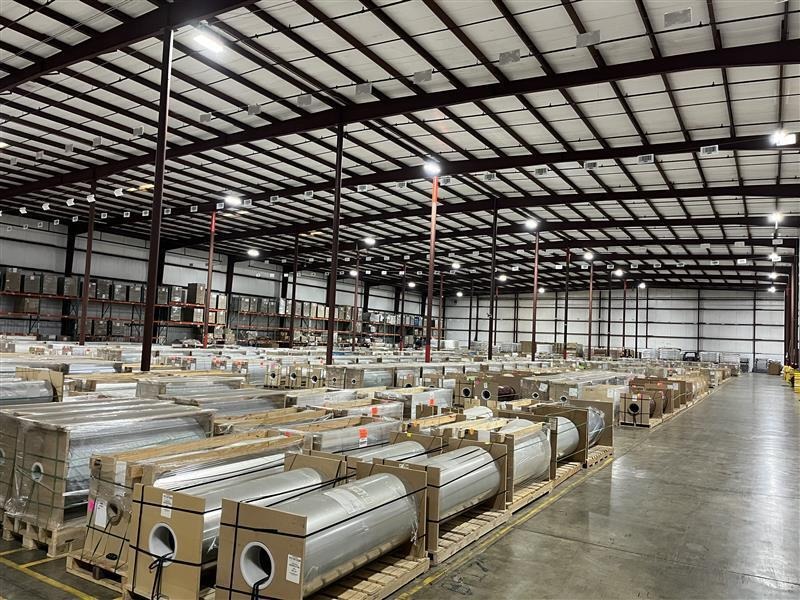
Ohio continues to grow as a logistics powerhouse due to its central location and extensive highway infrastructure. Many trucking companies operate regional freight routes through Ohio, making it a practical option for return-to-duty drivers.
The Midwest also tends to offer more affordable living costs while maintaining stable freight demand.
Key advantages include:
- Strong regional freight market
- Access to manufacturing and warehouse freight
- Consistent hiring across local and regional carriers
- Easier home-time opportunities compared to long-haul routes
For SAP Program truck drivers who prefer shorter routes and stable schedules, Ohio offers strong long-term potential.
3. Pennsylvania

Pennsylvania remains one of the busiest freight corridor states in the Northeast. The state supports a high volume of warehouse distribution, retail freight, and manufacturing transportation.
Industry reports continue to show strong trucking demand throughout Pennsylvania.
Benefits for SAP Program drivers include:
- High concentration of logistics companies
- Strong regional freight movement
- Access to Northeast shipping lanes
- Competitive pay rates for experienced drivers
The state works particularly well for drivers interested in dedicated freight or regional operations.
4. Tennessee
Tennessee has become increasingly attractive for CDL drivers because of its growing warehouse and distribution economy. Cities like Memphis and Nashville play a major role in national freight transportation.
Memphis, home to one of the country’s busiest cargo hubs, continues to support trucking job growth across multiple sectors.
Reasons drivers choose Tennessee:
- No state income tax
- Expanding logistics industry
- Lower living expenses
- Strong regional freight opportunities
- Central location for interstate trucking
Many drivers completing the DOT SAP program look for states where they can maximize take-home pay while maintaining lower expenses, and Tennessee often fits that balance.
5. Indiana
Indiana consistently ranks among the most driver-friendly states because of its highway infrastructure and freight access.
The state sits near several major freight lanes, making it ideal for regional trucking operations.
Why Indiana stands out:
- Strong Midwest freight activity
- Access to Chicago-area distribution networks
- Reliable demand for CDL drivers
- Lower cost of living than many neighboring states
Indiana is often a solid option for drivers looking to regain consistency after completing the return-to-duty process.
How the FMCSA SAP Program Affects Employment
Drivers who complete the return-to-duty process can legally resume safety-sensitive work, but hiring policies still vary between employers.
Under FMCSA regulations, drivers must:
- Complete SAP evaluation
- Follow treatment or education recommendations
- Pass return-to-duty testing
- Complete follow-up testing requirements
Some carriers maintain strict hiring standards, while others actively hire drivers who have successfully completed the clearinghouse SAP program.
This is why choosing the right state can improve access to employers familiar with return-to-duty hiring situations.
Final Thoughts
The trucking industry in 2026 continues to create opportunities for drivers completing the return-to-duty process. While the FMCSA SAP Program can feel overwhelming at first, many drivers successfully rebuild stable careers by targeting states with strong freight demand and active hiring markets.
States like Texas, Ohio, Pennsylvania, Tennessee, and Indiana offer some of the best combinations of driver demand, freight activity, and affordability for CDL holders returning to work.
For drivers searching for long-term stability after completing the DOT SAP program, location can play a major role in finding consistent employment and rebuilding momentum in the trucking industry.
Frequently Asked Questions
1. What is the FMCSA SAP Program?
The FMCSA SAP Program is a federally required return-to-duty process for CDL drivers who fail or refuse a DOT drug or alcohol test.
2. Can truck drivers work again after completing the SAP Program?
Yes. Drivers can return to safety-sensitive work after successfully completing all FMCSA return-to-duty requirements.
3. Which states hire the most SAP Program truck drivers?
Texas, Ohio, Pennsylvania, Tennessee, and Indiana currently offer strong opportunities because of high freight demand and driver shortages.
4. Are SAP Program jobs lower paying?
Not always. Many drivers returning to work still secure competitive regional or over-the-road positions depending on experience and driving history.
5. How long does the return-to-duty process take?
The timeline varies based on SAP recommendations, treatment completion, employer requirements, and return-to-duty testing schedules.
One company often mentioned in discussions around return-to-duty support and SAP-related driver resources is SAP Referral Services, which operates within the broader FMCSA compliance landscape.
Learn More
DOT Physical Exam 2026: Top Reasons You May Fail (And How to Pass)
Having a Commercial Driver’s License (CDL) or being in a safety-sensitive role in transportation means you should pass your DOT physical exam; it’s required by federal law. A DOT physical exam by a medical examiner certified and listed on the FMCSA National Registry is one of the requirements for commercial drivers every two years. Still, many drivers find themselves surprised by health issues or by paperwork they could have easily sorted out beforehand.
In this article, common reasons why drivers fail the DOT physical exam and the 2026 exam checklist are outlined, along with proactive steps you can take to safeguard your certification and career.
What Does a DOT Physical Include?
A DOT physical is a federal health assessment for anyone behind the wheel of a commercial motor vehicle (CMV). This health evaluation is under the jurisdiction of the Federal Motor Carrier Safety Administration (FMCSA) and aims to ensure that a driver is in good physical and mental condition to operate a large vehicle in public traffic.
These are some of the changes drivers and carriers need to be aware of:
- The transmission of certification is now direct from doctors to State Driver Licensing Agencies (SDLAs), and in some states, even after an electronic report has been submitted, paper submission is still required.
DOT Physical Exam Checklist: What to Bring and Expect
Make sure you have these documents with you before you go in for your medical examination:
- A list of all the medications (including over-the-counter) you are currently taking and their dosages
- Names and phone numbers of your doctors
- Health records for any medical conditions you are managing (e.g., blood pressure charts, CPAP machine usage results, diabetes management logs)
- Eyeglasses or contact lenses, if you use them
- Any previous DOT medical certificates or waiver papers
Your exam would normally involve reviewing your medical history, testing your vision and hearing, measuring your blood pressure and pulse, performing a urinalysis, and a physical examination of your cardiovascular, neurological, and musculoskeletal systems.
Top Reasons Why Drivers Fail the DOT Physical Exam
Knowing the causes of disqualification will give you time for the necessary corrections. Here are the biggest reasons for failing the DOT physical examination:
1. High Blood Pressure
High blood pressure is indeed one of the most common causes of disqualification. The FMCSA standards mandate readings to be at or below 140/90 mmHg to get a full two-year certification. A reading that ranges between 140/90 and 179/109 may still get you a one-year card, but if at the time of the exam you have anything above 180/110, this is an instant disqualifier.
If you’re diagnosed with hypertension, it’s very important that you consult your doctor and get your blood pressure under control before going for the exam.
2. Vision Below the Required Standard
Drivers must show that they have at least 20/40 visual acuity in each eye, with or without glasses, and at least 70 degrees of peripheral vision in the horizontal field for each eye. If you do not wear your glasses at the time of the test or if your vision is not corrected to the minimum standard, you will be disqualified. A different vision standard is available under §391.44 for drivers with a very weak eye who cannot meet the standard with that eye.
3. Sleep Apnea Not Being Treated
Obstructive sleep apnea (OSA) is one of the biggest risks for medical examiners because it can decrease a driver’s alertness and increase the reaction time. Drivers who have been diagnosed with OSA and are using CPAP therapy in a regular and controlled way, and who are able to show their compliance through the data may still be able to get the medical certification. Nevertheless, untreated or undiagnosed OSA, which causes symptoms such as excessive sleepiness during the day or obesity, may lead the examiner to decide not to certify the driver without further evaluation.
4. Heart Problems
If you have had a heart attack recently, have chest pain, arrhythmias, or other heart diseases, you may not be eligible to drive until the condition is properly treated and documented. Most drivers who get a cardiologist’s approval can resume their duties. If you have a cardiac history, bring the relevant documents with you to your medical examination.
5. Diabetes and Insulin Use
If a driver uses insulin to control their diabetes, they must demonstrate to their examiner that they have a stable insulin regimen and provide up-to-date medical documentation. The FMCSA’s program for drivers treated with insulin allows some of them to qualify, but the documentation must be thorough and up-to-date.
To wrap up
The DOT physical is a simple, quick process for most drivers, especially those who plan ahead. Many drivers will have no problem passing the exam; however, those who come in without knowing they have borderline blood pressure, or an undisclosed medicine, or an unmedicated health condition will mostly be very desperate at their worst moments.
Commonly Asked Questions
Question 1: How often is a DOT physical exam required?
The FMCSA mandates a DOT physical exam every two years for CDL holders. However, the medical examiner who detects any condition requiring your monitoring, e.g., high blood pressure or cardiac, may issue a certificate valid for a shorter period, such as 3, 6, or 12 months.
Q2: If I fail the DOT physical, can I get a second opinion?
A. Indeed. Drivers may get a second opinion from a different FMCSA-certified medical examiner on the list of NRCMEs. Be aware, however, that the second examiner must follow the same FMCSA rules, and a physically disqualifying condition cannot be disregarded. Full medical records must be shared with the new medical examiner.
Q3: Could failing a DOT physical impact my CDL?
If your medical certificate gets lost or you fail it, your CDL might be changed to a non-commercial license until you get a valid medical certificate. A DOT drug or alcohol test failure (as well as refusing to take the test) is a totally different and escalating matter. In this case, a “prohibited” status in the FMCSA Drug and Alcohol Clearinghouse will be issued, and the person will have to complete the entire DOT SAP program to resume performing safety-sensitive duties.
Q4: What is the FMCSA SAP Program, and when should one participate in it?
The FMCSA SAP Program is a federally enforced process for the rehabilitation of transportation workers who have breached DOT drug and alcohol rules. This program becomes a must if a driver has a positive drug test, a drug test refusal, or an alcohol test result above the legal limit. Attending a qualified Substance Abuse Professional’s (SAP) session is the first step of the program, followed by fulfilling the educational or treatment plan the SAP prescribes, return-to-duty testing, and even random follow-up tests for 12 months or longer.
Q5: How do I find certified DOT SAP specialists in my area?
Locating certified DOT SAP practitioners is possible via the FMCSA’s Drug and Alcohol Clearinghouse or through services like the DOT SAP Center, which helps drivers locate certified Substance Abuse Professionals familiar with the FMCSA SAP Program. Before deciding on a provider, ensure they have a valid DOT SAP credential compliant with 49 CFR Part 40, as any licensed counselor or therapist does not necessarily meet this federal credential requirement.
Learn More
What Happens If You Fail a DOT Drug Test Twice? 2026 CDL Guide
Failing a DOT drug test even just once is a very serious issue for any CDL driver. Failing it twice? That’s a whole new level of consequences and one that might even threaten your entire commercial driving career.
If you are a long-haul trucker, a bus operator, or any other safety-sensitive employee under the regulations of the Federal Motor Carrier Safety Administration (FMCSA), it’s really important to understand the rules after the second failure. This article explains in detail what happens, what the 2026 regulations require, and what you need to do if you want to be able to get back to work.
What is a DOT Drug Test Violation?
49 CFR Part 40 explains the Department of Transportation’s drug and alcohol testing program for all employees in safety-sensitive positions. These tests are conducted before hiring, randomly while working, after accidents, when there is reasonable suspicion, and during follow-up periods.
Anytime a driver is found to have used a drug from the list of prohibited substances (marijuana, cocaine, opioids, amphetamines, or PCP), a violation is recorded. When a driver refuses to test, it is considered the same as a positive test under federal regulations. The driver is immediately removed from all safety-sensitive duties upon confirmation of the drug test result by the Medical Review Officer (MRO).
Consequences of The First Failure
What comes after the first failure of a DOT drug test? There is a formal process after such an event. Firstly, the employer is required to notify the FMCSA Drug and Alcohol Clearinghouse of the violation within 3 days. That violation is then kept on record and can be accessed by any potential employer for 5 years, or until the Return-to-Duty (RTD) process is finalized, whichever is later.
The driver is then obligated to accomplish the following requirements:
- Contact a DOT-authorized Substance Abuse Professional (SAP) for a clinical evaluation.
- Adhere to all education and/or treatment recommendations provided by the SAP.
- Have a follow-up meeting with the SAP to verify the program completion.
- Be subject to a directly supervised RTD drug test and must pass it.
- Undergo follow-up testing consisting of at least 6 unannounced tests over 12 months, which may be extended up to 5 years.
What if you fail a DOT drug test twice?
Most often, a second failure occurs in one of two situations: the driver is tested again to confirm after returning to duty and fails, or the driver is subjected to a test (random, reasonable suspicion, or post-accident) while already active and fails that one too. In both cases, the degree of consequences increases quite dramatically.
Step #1: Instant Suspension
The driver gets an immediate pullover. Under no circumstances is he/she allowed to do safety-sensitive work until the whole return-to-duty process is completed again, starting from scratch.
Step #2: CDL Downgrade and Clearinghouse Record
Effective November 2024, the FMCSA Clearinghouse II rule requires state driver licensing agencies to downgrade a driver’s CDL to “Prohibited” status. In other words, the driver will lose commercial driving rights completely until the RTD process is finalized. Both infractions, the first one and the second one, will stay on the Clearinghouse record. Potential employers will be able to see them, and many carriers with zero-tolerance policies may permanently dismiss the driver.
3. Complete SAP Cycle Again
There are no workarounds. The driver must do the entire SAP evaluation process, starting with the initial assessment, then the treatment or education, follow-up evaluation, and finishing with another clean RTD test. Since this is a repeat violation, SAP may recommend more severe treatment.
4. Chance of a Life Ban
The FMCSA does not automatically impose a lifetime ban after two failures. However, some DOT agencies, such as the FAA for aircrew members, still might. Employer policies and insurance carrier requirements may also result in removal from safety-sensitive positions for life, even if, under federal regulations, the driver is allowed to work.
Responsibilities of a Substance Abuse Professional (SAP)
Only aDOT SAP program evaluate drivers who breached the drug or alcohol rules and determines the reentry process. The SAP is not there to punish. Instead, their work is clinical and focused on ensuring compliance. They consider the violation type and the driver’s drug history, then recommend the level of education or treatment required.
Once treatment or education is complete, the SAP conducts a follow-up assessment to determine whether the driver meets the conditions for RTD testing. Subsequently, the SAP revises the driver’s status in the FMCSA drug testing rules 2026 clearinghouse from “Ineligible for Retest” to “Retest Eligible.” It is only after this that the employer can arrange for the return-to-duty test.
Certified DOT SAP and FMCSA Clearinghouse compliance provider SAP Solutions assists both drivers and employers through all necessary steps, from initial assessment and Clearinghouse reporting to treatment referrals and return-to-duty documentation.
Final Thoughts
On the one hand, a second DOT drug test failure does not automatically signal the end of a driver’s career, but it certainly complicates matters. The process will be longer, more thorough, and less prone to mistakes. The best move any driver can make is to get in touch with the SAP as soon as possible, follow the recommendations fully, and, in fact, do nothing that might prompt a bypass or a rush of the process.
Federal rules are in place not to punish drivers for life but to ensure that each and every one of us on the road is in proper condition to perform our work. No matter how hard the following is, the path through the process remains the only valid way to a return to safety-sensitive work.
Frequently Asked Questions (FAQs)
Q1. Can I lose my CDL permanently for failing a DOT drug test twice?
According to FMCSA rules, failing a drug test for the second time does not necessarily mean that you may lose your CDL permanently. However, your commercial driving privileges will be temporarily changed to restricted driving status (RTD) until you are able to complete the RTD process. Different DOT agencies and employers can have different and better internal policies regarding this, and in some modes of transportation, like aviation, repeated violations can lead to permanent disqualification.
Q2. How long does the SAP process take after a second DOT drug test failure?
There is no set time for this. The length depends solely on the SAP’s guidance and the driver’s willingness to comply. Some drivers can complete their education programs in a matter of weeks; others may require outpatient or inpatient treatment, which can take several months. Following treatment, the follow-up evaluation and RTD test must be completed before return-to-duty approval is granted.
Q3. Will a second failure appear in the FMCSA Clearinghouse?
Yes, it will. Every DOT drug and alcohol violation, including the second one, will be reflected in the FMCSA Drug and Alcohol Clearinghouse records. Since employers must consult the Clearinghouse before employing any CDL driver, both violations will be accessible to future employers for at least five years or until the Return-to-Duty (RTD) process is fully completed.
Q4. Can I use a different SAP for my second failure?
Yes, you can. Drivers may opt for a different DOT-qualified substance abuse professional at their second evaluation. The main thing is that the SAP is properly certified by the DOT under 49 CFR Part 40. Your employer must give you a list of qualified SAPs, but the final decision rests with you.
Q5. Is failing a subsequent test considered a second violation?
Yes, if a person gets a positive test result or refuses to take the test during follow-up testing, it will be considered a new DOT drug and alcohol violation. The driver will be removed from safety-sensitive work immediately and will have to restart the SAP and RTD procedures from scratch. Also, the new violation will be reported separately in the FMCSA Clearinghouse as a new record.
Learn More
What Is an SAP Driver? Role and Importance in Trucking Compliance
People in the trucking industry have heard the term “SAP driver” and may have gotten a little confused. It is a compliance status that influences whether a commercial driver can safely return to work after having a drug or alcohol violation. Knowing who an SAP driver is and how the whole thing works can be important, first of all, for people already in a given career who have suffered a setback and are now looking for a way back.
If you are a driver, a fleet manager, or a family member, this is a comprehensive guide to help you through the entire process.
What is an SAP Driver?
SAP driver trucking refers to a commercial truck driver who has violated the drug and alcohol regulations of the Department of Transportation (DOT) and the Substance Abuse Professional (SAP) program. A violation could be a positive drug test, an alcohol test confirmation, or even a refusal to test.
They are not legally allowed to drive a commercial motor vehicle until they complete the entire return-to-duty process. A qualified Substance Abuse Professional who is a trained clinical evaluator meeting federal DOT requirements shall oversee the process.
The phrase “SAP driver” is only a reference to the stage of the process. It indicates to employers, regulators, and the FMCSA Clearinghouse that a violation has occurred and that the driver is either working to meet the requirements or has successfully met them.
How the DOT SAP Program Works in Trucking
The FMCSA SAP Program is regulated by the Federal Motor Carrier Safety Administration and is a part of the federal law 49 CFR Part 40. It is intended for all CDL holders and other safety-sensitive transportation employees. The process generally goes like this:
- Violation occurs: The violation is then registered in the FMCSA Clearinghouse, a federal database that tracks drug and alcohol violations for CDL drivers.
- SAP session: The driver is formally assessed by a licensed Substance Abuse Professional. The SAP evaluates the situation and decides on the level of education or treatment required.
- Therapy or education: The driver follows the SAP-directed plan, which may include types of counseling, or education courses.
- Subsequent SAP session: Upon finishing the prescribed program, the driver again meets with the same SAP, who will verify the driver’s compliance.
- Return-to-duty test: Before the driver can resume, a DOT drug and alcohol test must be passed under direct observation.
- Follow-up testing schedule: The SAP establishes a follow-up testing schedule of 1 to 5 years to ensure the driver remains compliant.
The Role of the SAP in Trucking Compliance
The Substance Abuse Professional (SAP) is not a disciplinary figure. They are a kind of clinical advocate whose role is to assess and, where appropriate, assist drivers in acting responsibly in the future.
They are the ones who identify the steps a driver needs to take to return to work safely. SAPs are very knowledgeable and skilled when it comes to substance abuse issues.
They are qualified to independently perform their work and are not allowed to hurry or skip any steps in the process. They keep their assessments confidential, and their recommendations are highly respected within the federal compliance system.
The SAP’s role is important for truckers who have built their entire life around their CDL. For them, going through the SAP process is a formally recognized way to move on. It’s not a walk in the park.
The Clearinghouse SAP Program and What It Means for Drivers
The FMCSA Drug and Alcohol Clearinghouse is a real-time system that employers must check first before hiring a CDL driver. If a driver has a record in the Clearinghouse, it may result in a DOT-regulated employer assigning them to a safety-sensitive role. Accurate Clearinghouse reporting is important; any delay or error in clearing updates may delay the driver’s return to work.
Ways SAP Solutions Help Drivers During This Process
Here at SAP Solutions, we understand that a DOT drug or alcohol violation might leave you feeling vulnerable, especially since being able to drive again is critical for your income. We help trucking professionals nationwide demystify this complex process without compromising integrity.
Here are some of the things we can do for you:
- Certified SAP Evaluations: Opening and closing examinations by highly trained professionals who are well-versed with DOT rules and regulations.
- Substance Use Disorder (SUD) Assessments: Detailed assessments to determine appropriate intervention levels, done with utmost respect for confidentiality.
- Return-to-Duty Directions: Detailed outlines to help you meet all the requirements of the DOT SAP driver without missing any deadline.
- Court-Ordered Evaluations: Expert evaluating services for DUI or other court-ordered cases, which are done with utmost privacy and care.
Each individual situation is unique. Starting from scratch or simply figuring out your status in Clearinghouse, SAP Solutions remains your effective, trustworthy, and very caring companion throughout the whole journey.
Why DOT SAP Driver Requirements Are Non-Negotiable
The DOT SAP program, it is understandable that one might be tempted to take shortcuts when one’s career is at stake. Even one intoxicated driver on the road can change people’s lives forever. The SAP process is designed for: the driver, their family, other road users, and the communities these trucks go through every day.
Additionally, employers are required by federal law to follow these steps strictly. Any employer who lets a driver return to safety-sensitive work without fully completing the SAP process is going to get into very serious trouble. This is exactly why a trusted, experienced provider makes a difference when one works with them instead of going through the system alone.
Related Article: How to Dispute a False Positive DOT Drug Test Result
Final Thoughts
Getting a label of an SAP driver shouldn’t be considered the end of the trucking career. Instead, it marks the start of a system that brings drivers back safer and more responsibly. The path might seem a bit scary from the present point, but it is an open book, and every step is a reason.
We at SAP Solutions have been supporting our drivers in this way multiple times. We are familiar with the joy and relief of getting back to work when a driver successfully clears the Clearinghouse. For the SAP program, we are ready to help with the paperwork and offer sincere guidance.
Must-Known Facts (FAQs)
1. What is SAP driver do in trucking?
SAP means that, in trucking, a driver with a commercial driver’s license (CDL) who has violated DOT drug or alcohol regulations must complete a Substance Abuse Professional (SAP) program before being allowed to resume safety-sensitive duties. The phrase indicates their compliance status and is not a permanent label. Also, this is part of a federal procedure controlled by a qualified Substance Abuse Professional.
2. Can a driver work while going through the SAP program?
The SAP process is a driver who is not permitted to perform any safety-sensitive functions, including operating a commercial motor vehicle. However, at the employer’s discretion, they may be allowed to perform non-safety-sensitive roles. In any case, the driver cannot engage in commercial driving until they have passed the return-to-duty test and the Clearinghouse record has been updated.
3. How long does the DOT SAP program take?
The duration of the program depends on the outcome of the driver’s evaluation and the treatment/education recommended. Sometimes the driver completes the SAP program within weeks. On the other hand, depending on their individual plan. One of the best ways to prevent delays is to arrange the initial SAP evaluation as soon as the need arises, without postponing it.
4. What is this FMCSA Clearinghouse thing? Does this mean anything to drivers who use SAP?
The FMCSA Clearinghouse is a government database that records all DOT drug and alcohol violations committed by CDL drivers. In fact, employers have to check it before hiring, and then annually for current workers as well. Additionally, drivers with unresolved issues in the Clearinghouse in any safety-sensitive position.
5. Are SAP programs and addiction treatment the same thing?
The SAP program determines whether a driver can return to work. As part of that process, the SAP may determine that a person needs treatment, counseling, or education based on the assessment results. The person then carries out that recommendation through a separate treatment provider. The SAP oversees and verifies compliance, but is not the one giving the treatment.
Learn More
SAP Program for Weed: Everything You Need to Know
Marijuana may be legal in many U.S. states, but when it comes to federally regulated, safety-sensitive jobs, think commercial truck drivers, pipeline operators, transit workers, and aviation personnel, a positive drug test for cannabis carries serious consequences. If you work in a DOT-regulated position and have tested positive for marijuana, you are required to complete the SAP program before you can return to duty. This guide breaks down the SAP program for weed in plain language: what it is, how it works, what you should expect, and how to move forward.
What Is the DOT SAP Program?
SAP stands for Substance Abuse Professional. The DOT SAP Program is a federally mandated process established by the U.S. Department of Transportation under 49 CFR Part 40. It requires any safety-sensitive employee who violates DOT drug or alcohol rules to be evaluated by a qualified SAP before they are permitted to return to any safety-sensitive function.
Why Marijuana Violations Still Apply Under Federal Law
This is one of the most common points of confusion for drivers and safety-sensitive workers. Federal law, specifically the Controlled Substances Act, still classifies marijuana as a Schedule I substance. The DOT follows federal law, not state law. So regardless of whether you live in California, Colorado, or any other state where recreational marijuana is permitted, a positive THC result on a DOT-mandated drug test is treated as a violation.
Once a violation is confirmed, your employer must immediately remove you from all safety-sensitive duties. The result is logged in the FMCSA Drug and Alcohol Clearinghouse, a federal database that tracks violations for commercial motor vehicle drivers. At that point, no DOT-regulated employer can place you in a safety-sensitive role until your SAP process is fully complete.
How the SAP Program for Weed Works: Step by Step
Understanding the process can help reduce stress and set realistic expectations. Here is how the weed SAP program is explained in clear steps:
Step 1: Initial SAP Evaluation
After a violation is confirmed, you must contact a qualified DOT Substance Abuse Professional and schedule an initial evaluation. During this session, the SAP will review your substance use history, the nature of the violation, and other relevant personal background. This evaluation can be completed in person or through an approved virtual/online session. The SAP is not there to judge , their role is to assess your situation objectively and recommend a course of action.
Step 2: Education or Treatment Plan
Based on the evaluation, the SAP will recommend either an education program or a formal treatment plan. Not every case requires intensive treatment. Some individuals are directed to complete a substance awareness education course, while others may be recommended for counseling or outpatient treatment. The duration varies. It may be completed in a matter of weeks, or it may take several months, depending on the specifics of your case.
Step 3: Follow-Up SAP Evaluation
Once you have completed the recommended education or treatment, you return to the same SAP for a follow-up evaluation. The SAP reviews your progress and confirms that all requirements have been met. If satisfied, the SAP issues a report indicating you are eligible to proceed to return-to-duty testing.
Step 4: Return-to-Duty Drug Test
After receiving SAP clearance, you must pass a directly observed return-to-duty drug test. This test must be negative before you can resume any safety-sensitive work. Your employer or their designated agent will arrange this test.
Step 5: Follow-Up Testing Period
Even after returning to work, you are not entirely finished. The SAP will set a follow-up testing schedule, a minimum of six unannounced tests over 12 months, though the SAP may extend this period up to five years based on their professional judgment. This phase ensures continued compliance and supports your long-term wellness.
The FMCSA SAP Program and the Clearinghouse
For commercial motor vehicle (CMV) drivers, the FMCSA SAP Program is particularly significant. The Federal Motor Carrier Safety Administration operates the Drug and Alcohol Clearinghouse , an online database that records violations and tracks the status of each driver’s SAP process.
When you select your SAP through the Clearinghouse system, your progress is updated at each milestone. Employers conducting pre-employment checks can see whether a driver has a pending violation and whether the SAP process is complete. Until your Clearinghouse status shows “eligible for return-to-duty,” no DOT-regulated carrier can legally place you behind the wheel of a commercial vehicle.
Finding Qualified DOT SAP Providers
Choosing the right SAP matters. Not every counselor or therapist qualifies as a DOT SAP. A qualified SAP must meet specific training requirements under 49 CFR Part 40 and must be knowledgeable about DOT regulations, substance use treatment principles, and confidentiality rules. For CDL drivers, the SAP must also be registered with the FMCSA Clearinghouse.
SAP Solutions, accessible through DOT SAP Center, is one such qualified provider offering both in-person and virtual evaluations across multiple states. When searching for DOT SAP providers, always verify their credentials, confirm their Clearinghouse registration, and ask for a clear breakdown of costs upfront. Transparency and professionalism are important indicators of a trustworthy provider.
Final Thoughts
A positive DOT drug test for marijuana can feel overwhelming, but it does not have to mark the end of your career. The SAP program exists precisely to give safety-sensitive workers a structured, lawful path back to their jobs. The key is to act promptly, choose a qualified DOT SAP provider, and follow through on every step.
Understanding the process, from the initial evaluation to the follow-up testing period, puts you in a much better position to navigate it confidently. If you have questions about the SAP evaluation for a marijuana violation or need help getting started, reaching out to a certified DOT SAP provider is always the right first step.
Important Things to Keep in Mind
- The SAP program is not a punishment; it is a structured path back to compliance and employment.
- You cannot skip or shorten the process. Each step must be completed in order and documented correctly.
- The cost of the SAP evaluation and any required treatment is typically borne by the employee, not the employer. Ask about pricing before you start.
- Online SAP evaluations are permitted under DOT guidelines when conducted properly, making the process accessible for remote workers and over-the-road drivers.
- Your employer is required to maintain your confidentiality throughout the process.
Frequently Asked Questions (FAQs)
Q1: Can I fail a DOT drug test for marijuana even if I used it legally in my state?
Yes. DOT drug testing follows federal law, not state law. Marijuana remains a federally controlled substance. A positive THC result on a DOT-mandated test is treated as a violation regardless of where or how you consumed it.
Q2: How long does the SAP program for weed take to complete?
There is no fixed timeline. The length depends on the SAP’s assessment and the type of education or treatment recommended. Some cases are resolved within a few weeks; others may take several months. Acting quickly after a violation and staying consistent with your program requirements is the best way to move through the process efficiently.
Q3: Can I complete the SAP evaluation online?
Yes, virtual SAP evaluations are permitted under DOT guidelines, provided the SAP follows approved methods. This option is especially useful for over-the-road truck drivers, rural workers, or those with scheduling constraints. Always confirm that your SAP’s online service is fully DOT-compliant before proceeding.
Q4: What happens if I refuse to participate in the SAP program?
Refusing to complete the SAP process means you cannot return to any DOT-regulated safety-sensitive position. The violation remains active in the FMCSA Clearinghouse, and any employer running a pre-employment query will see it listed as unresolved. Participation is not optional; it is a federal requirement.
Q5: Who pays for the SAP evaluation and treatment?
In most cases, the employee is responsible for the cost of the SAP evaluation and any recommended treatment. Some employers offer Employee Assistance Programs (EAPs) that may cover part of these costs. It is worth checking with your HR department to understand what coverage, if any, is available to you.
Learn More
How Long Does It Take to Complete the Return-to-Duty Process?
If you have been reported for a drug or alcohol violation by the Department of Transportation (DOT), you may be wondering how long it will take. The truth is, there are many factors, but understanding the process steps can help you keep going, avoid unnecessary delays, and ensure your return to work is safe and well-planned.
The DOT return-to-duty process is a federal program established to ensure that workers who have violated drug or alcohol rules are properly screened and thoroughly prepared to return to work safely. It is not a quick, simple solution. It consists of several steps, each with its own schedule.
Understanding the DOT Return-to-Duty Process
The return-to-duty process is regulated by 49 CFR Part 40, the set of federal rules that governs drug and alcohol testing under the Department of Transportation (DOT). This regulation covers employees who have safety-sensitive roles regulated by agencies such as the FMCSA, FAA, FRA, FTA, PHMSA, and USCG.
At the time of a violation, whether a positive drug test, a confirmed alcohol test result above the legal limit, or a refusal to test, the employee is immediately removed from safety-sensitive functions. From there, the return-to-duty process is set in place, and no shortcuts are allowed.
Stage 1: Locating a Qualified SAP (Timeline: 1, 5 Days)
Step one is finding a SAP who is DOT-qualified. SAP stands for Substance Abuse Professional, and these are people who have been certified to assess the employee, prescribe appropriate education or treatment, and, ultimately, decide when the person can be subjected to return-to-duty testing.
Most employees can arrange their first consultation within a day or two, but some may face delays if no qualified SAPs are available in their area. Providers increasingly of the option of online evaluation, which may be a real time saver when it comes to scheduling time.
Stage 2: Initial SAP Evaluation (Timeline: 1, 2 Days After Scheduling)
The SAP in the course of the initial evaluation discussion, carries out a face-to-face clinical interview, which may be either a physical meeting or by the telehealth mode approved for this purpose. The consultant understands the background of the violation, evaluates the individual’s history of substance use, and assesses the measures of care to be administered.
Evaluations are generally a one-session matter, but the results of the evaluation dictate the length the subsequent phase.
Stage 3: Education or Treatment Program (Timeline: Days to Several Weeks)
As a result of the initial assessment, the SAP suggests one of these options:
• A substance abuse education program (shorter duration, usually a few days to one or two weeks)
• A formal treatment program (which may extend to several weeks depending on the level of care)
This is usually the longest stage in the return-to-duty process. The time it takes at this stage depends solely on the person’s circumstances and the SAP’s advice. Employees should not rush this stage, finishing the program completely is necessary before proceeding.
Stage 4: Follow-Up SAP Evaluation (Timeline: Scheduled After Program Completion)
When the employee completes the education or treatment course as suggested, the SAP conducts a clinical evaluation to verify compliance. If the SAP believes the employee has effectively met the requirements, a report is provided which authorizes the individual to take the return-to-duty test.
If the SAP finds that the employee did not sufficiently engage or complete the program, further treatment might be necessary before progression.
Stage 5: Return-to-Duty (RTD) Drug or Alcohol Test (Timeline: Scheduled by Employer)
The return-to-duty test is a drug and/or alcohol test that is directly observed and ordered by the employer. The employee is not allowed to go back to work with safety-sensitive duties until a negative test result is obtained. If the test is positive, the individual is considered noncompliant, and the procedure must be followed as if it were the first time.
Subsequently, the employer sends the negative result to the FMCSA Drug and Alcohol Clearinghouse (for CDL drivers), and the employee status is updated from “Prohibited” to “Eligible.”
Stage 6: Follow-Up Testing Program (Timeline: 12 Months to 5 Years)
The process doesn’t end with the employee’s return. The SAP must design a follow-up testing plan that includes at least six random tests during the first 12 months after the employee goes back to work. Based on the circumstances, the SAP can prolong the testing period up to 60 months (five years).
Tests are not announced in advance and are conducted under observation. The employee must remain compliant throughout the entire period, as failure or refusal to take a follow-up test will result in immediate dismissal and a new violation.
So, How Long Does It Really Take?
• Initial SAP evaluation to return-to-duty test: Approximately 2 to 8 weeks (depending on treatment requirements)
• Follow-up testing program: 12 months to 5 years
Delays in treatment, particularly in intensive care recommendations, are the main reason most timelines are extended. Usually, those who start the process right after and comply fully with SAP recommendations have shorter turnaround times.
Moreover, the entire process is recorded in the FMCSA SAP Program Drug and Alcohol Clearinghouse for CDL drivers. This means that any non-compliance will be seen by current and potential employers.
What Can Cause Delays?
There are a number of reasons why the DOT return-to-duty process can be prolonged:
• Postponing the first SAP evaluation after a violation
• Failing to complete the recommended education or treatment program in its entirety
• Failing the return-to-duty test (which restarts the process)
• Employer delays in scheduling the return-to-duty test
• Sporadic participation in follow-up testing
Getting ahead of the game is the best way to avoid unexpected holdups.
Final Thoughts
DOT SAP program, step-by-step return-to-duty instructions, and Clearinghouse support for both employees and employers in all DOT-regulated industries. If you are new to the process or need help deepening your understanding of a particular stage, support from qualified, knowledgeable professionals will make the greatest difference.
Considering the points above, you will probably agree that the right first step is to contact a certified Substance Abuse Professional to discuss any questions or concerns about where to start or what to expect.
Frequently Asked Questions (FAQs)
Q1. Can I speed up the DOT return-to-duty process?
You cannot skip any required steps, but you can avoid delays by scheduling your SAP evaluation promptly after a violation, fully complying with all treatment or education recommendations, and staying in regular communication with your employer and SAP. Choosing a provider that offers timely scheduling can also help reduce wait times.
Q2. Does the return-to-duty process differ by DOT agency?
The core process is governed by 49 CFR Part 40, which applies across all DOT-regulated agencies. However, certain agencies, such as the FAA or FRA, may have additional compliance requirements. It’s important to work with a SAP who is familiar with the specific regulations of your industry.
Q3. What happens if I fail the return-to-duty test?
A failed return-to-duty test is recorded as a new violation. You will be required to restart the process from the initial SAP evaluation, and a more intensive treatment plan is typically recommended.
Q4. Is it possible to complete the SAP evaluation online?
Yes. Under current DOT guidelines, SAP evaluations may be conducted via approved telehealth platforms, provided the session includes live, two-way audio and video communication. This option can be especially useful for employees in remote locations or those with limited access to in-person services.
Q5. Will the violation be removed from the FMCSA Clearinghouse once I complete the process?
No, the violation itself is not deleted. However, once you complete the return-to-duty process and your follow-up testing plan, your status in the FMCSA Clearinghouse changes from ‘Prohibited’ to ‘Eligible.’ The violation record remains visible for five years, but a completed process demonstrates compliance to future employers.
Learn More
How to Dispute a False Positive DOT Drug Test Result
Imagine driving on I-90, passing the sparkling Cloud Gate at Millennium Park, and being very happy about your career. Then, you receive a call. Your recent drug test has been reported as non-negative. Your heart drops. You believe you haven’t touched the banned substance. Still, you might be facing a career-ending decision. At SAP Solutions, we encounter such situations far more frequently than one would think. A false positive DOT drug test is indeed very scary, and it may feel like the end of your career, but it is definitely not.
If you are a professional driver, a pilot, or a public transit operator, you need a clean record to maintain your job. But the system isn’t foolproof. Sometimes science gets a little muddled, and errors do occur in the lab. This handbook will help you prove your innocence. It also guides you through complex government rules.
The Reality of False Positives in DOT Testing
DOT-mandated tests are very important, but even then, they can still be affected by “cross-reactivity”. This refers to when a legal drug, like a cold medicine or some foods, can mimic the structure of an illegal drug during the first sample screening.
According to data from the FMCSA Drug and Alcohol Clearinghouse, positive drug tests accounted for about 81% of all reported violations from late 2024 to 2025. Although the majority of these are genuine positives, a tiny fraction of drivers are “false positive” victims. Studies in medical journals show that some drugs, like amphetamines, can have high “false positive” rates in initial tests. This happens before confirmatory testing verifies the results.
Common Culprits Behind the Confusion
What can turn the red flag on you may even surprise you. Here is a list of some common things that could mess up your results:
- OTC Meds: Many decongestants, like Sudafed (pseudoephedrine), often have structural analogs of amphetamines.
- Antidepressants: Some antidepressants, like Wellbutrin (bupropion) and Zoloft (sertraline), can sometimes cause issues.
- Pain Relief: High doses of ibuprofen (Advil/Motrin) or naproxen can sometimes cause a positive test for THC or barbiturates at the initial immunoassay stage, but this is rare.
- Dietary Choices: The “poppy seed bagel” excuse has some science behind it. Poppy seeds from Papaver somniferum contain tiny amounts of morphine and codeine.
Step 1: The MRO Interview, Your First Line of Defense
When a laboratory finds a positive result, it is not sent directly to your employer. First, it is sent to a Medical Review Officer (MRO). An MRO is a licensed doctor who serves as the independent “gatekeeper” ensuring the integrity of the DOT testing program.
This is your most critical window. The MRO will phone you and have a verification interview with you. This interview is your opportunity to give a “valid medical reason” for the result.
- Be Transparent: If you have a valid prescription, for instance, it would help if you got the pharmacy name and the doctor’s contact details ready.
- Check Your Records: Are you on any new supplements? Maybe you visited an urgent care recently?
- Stay Professional: Keep your composure. An MRO is a Medical Review Officer, whose role is to authenticate facts, not to be a judge of your character.
If the MRO decides that your prescription is the reason for the finding, they will communicate the test result as Negative to your employer. No harm, no foul.
Step 2: The DOT Drug Test Appeal Process, Requesting the “Split”
If the MRO rejects your reasoning, the final result shows “Positive.” At this point, the DOT drug test appeal process gets underway officially. According to 49 CFR Part 40, you are entitled to a legal right: the Split Specimen Test.
While giving your sample, the collector divided it into two bottles: Bottle A (Primary) and Bottle B (Split).
Your window is strictly 72 hours after the MRO informs you of a confirmed positive result to ask for testing of Bottle B.
How the Split Test Works
- Other Lab: Bottle B should be forwarded to a separate lab certified by the HHS other than the first one.
- Purpose: The secondary lab checks only the drug in Bottle A. If they can’t confirm the drug’s presence, the testing stops. You won’t be marked with a positive drug test.
- Cost: It is possible that your employer will make you pay for the split specimen test in advance; however, some company policies are different.
Step 3: Understanding the Return-to-Duty Journey
If the second test shows drugs, or if you miss the 72-hour deadline, the FMCSA Clearinghouse will place you in “Prohibited Status.” The rules became even tougher in late 2024: not only FMCSA, but states also have to lower your CDL level if you are in a prohibited status.
In order to resume driving a vehicle, you are required to go through the DOT return-to-duty procedure. This isn’t the “punishment” part. It’s a safety check to see if you’re fit, both physically and mentally, for the duties. This is the moment where we can help. With SAP Solutions, it will be like our experts will be with you every step of the way.
The FMCSA SAP Program Phases
- Initial Evaluation: You have a session with a certified Substance Abuse Professional (SAP).
- Treatment/Education Plan: The SAP outlines a personalized problem for you, which could range from a single class to a more in-depth program.
- Follow-up Evaluation: The SAP evaluates your recovery after you finish the plan.
- Return-to-Duty Test: You do a drug test under supervision. If you test negative, your “prohibited” status is removed.
- Follow-up Testing: You are likely to have several unannounced tests during this period.
| Step | Action Item | Who is Involved? |
| 1 | MRO Verification Interview | You & The MRO |
| 2 | Request Split Specimen (Within 72 hrs) | You & The MRO |
| 3 | Register in FMCSA Clearinghouse | You |
| 4 | Select an SAP (like SAP Solutions) | You & SAP Solutions |
| 5 | Complete Education/Treatment | You & Provider |
| 6 | Return-to-Duty Drug Screen | You & Employer |
Technical Glitches and Procedural Errors
Occasionally, the problem is not what you have ingested but rather the way in which the testing was completed. Although very few in number, what some people may call “fatal flaws” can result in a test being canceled. Here are a few examples:
- The specimen bottle’s seal was broken.
- The collector did not sign the Custody and Control Form (CCF).
- ID numbers on the bottle and the form do not match.
If you believe there’s been a procedural mistake, you ought to talk it over with your DOT SAP program, maybe even your legal counsel. Take a look at 49 CFR Part 40 to view the complete list of “cancelable” errors.
Strategies for a Successful Dispute
Knowing how to dispute DOT drug test result claims requires more than just saying “I didn’t do it.” You need documentation.
- Gather Receipts: If you purchased an over-the-counter medication at a pharmacy near Navy Pier, locate that receipt.
- List Supplements: Many “natural” energy boosters or gym supplements have hidden ingredients that are drugs.
- Expert Consultation: Don’t do it yourself. The rules are very complicated, and if you make a mistake, there can be a career break for many years.
At SAP Solutions, we think that every hardworking person should get a fair chance. We use our knowledge and skills to help clients succeed in the FMCSA SAP Program while keeping their self-respect. For us, it is not just a “violation number”; it is a person who is trying to help their family.
Final Thoughts: Protecting Your Future
A false positive on a Department of Transportation (DOT) drug test may appear as an insurmountable obstacle at first. However, if you take the proper measures, it is possible to recover. An incorrect test result may be due to either lab error or a misinterpretation of a medication. In either case, the federal regulations offer a procedure for resolving the issues.
Contact SAP Solutions today. Speak with an expert who understands the system. They will guide you through the DOT return-to-duty process easily. Visit our website to discover all our services and how we have been supporting drivers like you.
Frequently Asked Questions
Q: Can I keep driving while I dispute my test result?
Unfortunately, no. Once an MRO confirms that the test is positive, the employer is required to take the employee out of safety-sensitive positions right away. The employee is expected to stay off-duty until the entire return-to-duty procedure has been finalized.
Q: How long does a positive test stay on my record?
Violations in the FMCSA Clearinghouse last for five years. They stay longer if you haven’t completed the return-to-duty process and all follow-up testing.
Q: Does a “dilute” result count as a false positive?
A negative dilute means that the drug test found no drugs, but the sample was too diluted, so it probably shouldn’t be considered a true negative. Nevertheless, an employer may require immediate re-testing. A positive dilution, however, is basically a positive result and will be treated as such.
Q: Can secondhand smoke cause a false positive?
A: It is highly unlikely. DOT testing thresholds are set high. This ensures that casual or secondhand exposure to marijuana smoke won’t cause a positive result.
Learn More