

How Employers Should Handle a Failed Drug Test: Compliance and Employee Support
A failed drug test from the DOT (Department of Transportation) is not a death sentence for an employee’s job. However, it is the employer`s responsibility to comply with a series of mandatory drug and alcohol rules. The employee is first taken to the nearest medical facility for a test, then, if drug use is confirmed, the employee will be asked, if possible, to undergo some form of rehabilitation and treatment, with supervision provided throughout.
At the same time as protecting the workplace, and ensuring that safety issues related to drugs remain addressed, employers also need to support employees and give them a way to come back through the correct channels.
Every employer who operates in the area of transportation that is regulated by the Department of Transportation (DOT) should know the consequences a positive drug test is likely to bring upon the company and know how to achieve compliance without, simultaneously, neglecting to care for their employees.
A Failed Drug Test Is More Than an HR Issue
No one wants to find out that their workers have broken rules related to alcohol or drugs, or have tested positive on drug screens. Nonetheless, getting caught up in an emotional reaction or making a quick employment decision may lead to compliance problems.
Under federal laws, if a drug test for an employee working in a DOT-regulated safety-sensitive position is positive, the employer is required to undertake a set of actions that are well specified.
This set of steps aims at:
- Promoting public safety
- Ensuring companies are following all the rules
- Allowing a worker to challenge any violation and possibly return to work
- Minimising legal and operation risks for the company
Familiarising yourself with these guidelines may save you the stress and time in an emergency situation.
What Should Employers Do Immediately After an Employee Failed a Drug Test?
When an employee fails drug test requirements under DOT regulations, the first steps are critical.
Remove the Employee from Safety-Sensitive Duties
Federal law mandates that employers take away the work that might harm anyone immediately from the employee in case of a positive drug test.
Employers are legally required by federal law to take such action and they should do it even if the employee disputes the result.
Document Everything
Keep good records of your actions and events such as:
- drug test outcomes
- communication to employees
- internal correspondence
- compliance activities
- required forms and documents
Well-kept records are of great help in proving drug test regulation compliance for companies in case audits or regulatory inspections are carried out.
Next Steps Explained
A lot of employees will not even know what the Department of Transportation(DOT) process is and think that their job is over.
On the other hand, employers should give a clear explanation about the reasons the employee has been sent home and what the steps back to work include.
- Give a clear explanation as to why they are no longer on the job
- Explain what will be required for them to come back to work
- Explain how involved the employee’s Substance Abuse Professional (SAP) will be
- State what the employees are supposed to do before getting back to work
Finding a clear and direct way of communicating often helps to clarify things and minimize conflicts.
Why Employers Should Work with Qualified SAP Providers
Not every counselor or therapist is authorized to perform DOT evaluations.
Employers should refer employees only to qualified SAP Providers who understand federal regulations and the return-to-duty process.
Experienced providers help ensure:
- Proper documentation
- Timely evaluations
- Compliance with DOT regulations
- Clear communication throughout the process
For employers and employees looking to better understand the evaluation process, Sap Solutions provides information about qualified evaluations, federal requirements, and each stage of the return-to-duty journey. Learn more through the resources available at Sap Solutions.
The Return-to-Duty Process for Employees
After completing the recommended education or treatment, employees are not automatically cleared to return.
The return-to-duty process for employees includes several required steps.
Initial SAP Evaluation
The employee meets with a qualified Substance Abuse Professional for a comprehensive assessment.
Education or Treatment
The SAP recommends education, counseling, treatment, or rehabilitation based on the individual’s needs.
Follow-Up Evaluation
Once recommendations are completed, the employee returns to the SAP for a follow-up assessment.
Return-to-Duty Test
If the SAP determines the employee has successfully complied, the employer may schedule the required return-to-duty drug or alcohol test.
Follow-Up Testing
The SAP also establishes a follow-up testing schedule that employers must implement after the employee resumes safety-sensitive work.
Skipping any step can delay the employee’s return and create compliance issues.
Understanding the FMCSA Clearinghouse Requirements
For commercial motor vehicle drivers, employers must also understand the FMCSA SAP Program and the clearinghouse SAP program.
The Federal Motor Carrier Safety Administration (FMCSA) Drug and Alcohol Clearinghouse records:
- Drug and alcohol violations
- SAP assignments
- Return-to-duty status
- Follow-up testing requirements
Employers are responsible for reviewing Clearinghouse records before allowing CDL drivers to resume safety-sensitive duties.
Proper use of the Clearinghouse helps employers remain compliant while maintaining accurate records.
Supporting Employees Without Compromising Compliance
Compliance should never come at the expense of respectful communication.
Employees facing a failed drug test are often uncertain about their future. Employers who explain the process clearly can reduce stress while maintaining professional standards.
Supportive employers typically:
- Provide accurate information about the SAP process
- Answer compliance questions
- Maintain confidentiality
- Encourage timely completion of evaluations
- Follow federal procedures consistently
A supportive approach also reinforces a positive workplace culture while protecting organizational integrity.
Final Thoughts
Dealing with an employee who failed a drug test isn’t just a matter of following internal rules, it’s something else, a bit more serious. Employers have to grasp federal regulations too. It helps to team up with qualified SAP Providers, make sure every DOT SAP program step is actually completed, and guide the employee through the legally required return-to-duty pathway.
When compliance and employee support line up, businesses safeguard workplace safety while also offering a structured chance for people to come back into their roles, not just shut the door.
Got questions about how the DOT SAP process works, or what employers are responsible for? Drop a note in the comments ,or swing by DOT SAP Center to dig into SAP evaluations, compliance needs, and the return-to-duty process.
FAQs
1. What should an employer do when an employee fails a drug test under DOT regulations?
If an employee fails the drug test requirements, under DOT rules, the employer has to do it right away, removing the employee from safety- sensitive duties. Then the employer should document what happened, tell the employee what happens next, and point them toward a qualified DOT SAP evaluation. The employee can not jump back into safety-sensitive work until they finish the needed return- to-duty process.
2. Can an employee return to work after failing a DOT drug test?
Yes. A DOT drug test that fails doesn’t, by itself, just end employment. People can come back to safety-sensitive duties again after they finish a Substance Abuse Professional evaluation, then do all the education or counseling recommendations, and also pass a return-to-duty test. After that they still need to follow whatever ongoing follow-up testing is required, that the SAP decides.
3. What is the role of a Substance Abuse Professional in the DOT SAP program?
A Substance Abuse Professional , SAP , does an independent evaluation after a DOT drug or alcohol violation. They sort out whether the employee really needs education , guidance or even treatment and also figure out when the employee has successfully finished the required steps. After that, they can decide how the return-to-duty process keeps moving.
4. How does the FMCSA Clearinghouse affect employers after a failed drug test?
For CDL drivers, the FMCSA SAP Program is asking employers to report the relevant violations , and to check the review records inside the Drug and Alcohol Clearinghouse. In other words, the employer has to make sure everything tied to the Clearinghouse is actually satisfied before the driver is allowed to go back into a safety-sensitive position.
5. Why is working with qualified SAP Providers important?
Qualified SAP Providers understand DOT regulations and ensure the evaluation, documentation, and return-to-duty process meet federal compliance standards. Referring employees to an approved SAP helps employers avoid compliance issues while supporting employees through every required step of the DOT SAP program.
Learn More
Can You Challenge a False Positive on a DOT Drug Test? (2026 CDL Driver Guide)
A failed DOT drug test can place a CDL driver’s career, income, and reputation at risk within hours. For many drivers, the first question after receiving unexpected results is simple: “What if the result is wrong?” While DOT drug testing is designed to follow strict federal procedures, false positives can still happen under certain circumstances.
Understanding your rights under current FMCSA drug testing rules is important if you believe your test result was inaccurate. Drivers are not expected to simply accept a result without review. There are official procedures that allow employees to question, verify, and potentially challenge a DOT drug test result.
What Is Considered a False Positive DOT Drug Test?
A false positive DOT drug test happens when a drug screening incorrectly reports prohibited substances in a driver’s system even though the employee did not knowingly use those substances.
Several factors may contribute to this situation, including:
- Prescription medications
- Certain over-the-counter medicines
- Laboratory processing errors
- Sample contamination
- Miscommunication during medical review
- Cross-reactivity with legal substances
Although certified DOT laboratories follow strict federal standards, no testing system is completely immune to human or technical mistakes.
How DOT Drug Testing Works Under FMCSA Rules
The FMCSA drug testing rules require federally regulated drivers to complete drug and alcohol testing in several situations, including:
- Pre-employment testing
- Random testing
- Post-accident testing
- Reasonable suspicion testing
- Return-to-duty testing
- Follow-up testing
DOT testing procedures involve a split-sample process. This means the urine specimen is divided into two separate samples at the collection site. If the first sample tests positive, the second sample can later be tested independently if the employee requests it.
A Medical Review Officer (MRO) must also review all laboratory-confirmed positive results before the violation is officially reported.
Common Reasons for False Positive Drug Test Results
False positives are uncommon, but they are not impossible. Some medications and substances may trigger additional scrutiny during testing.
Examples can include:
- Certain ADHD medications
- Prescription pain medications
- Some antidepressants
- Cold and allergy medications
- CBD products with hidden THC content
Drivers should always disclose legally prescribed medications during the review process. An MRO may determine that the positive result has a legitimate medical explanation.
In other cases, administrative mistakes may contribute to inaccurate reporting. Errors in labeling, chain-of-custody documentation, or specimen handling can sometimes become part of a challenge process.
Can You Challenge a DOT Drug Test Result?
Yes, CDL drivers can challenge DOT drug test results under specific conditions.
One of the most important rights involves requesting testing of the split specimen. Drivers generally have 72 hours after notification from the MRO to request that the second sample be tested at another certified laboratory.
A challenge may also involve:
- Verifying prescription medications
- Reviewing chain-of-custody paperwork
- Confirming laboratory procedures
- Investigating collection-site errors
- Identifying reporting mistakes
However, drivers should understand that simply disagreeing with the result is not enough. The challenge process requires supporting evidence and compliance with federal procedures.
Steps CDL Drivers Should Take After a Positive Test
Receiving a positive result can feel overwhelming, but acting quickly is critical.
1. Speak With the Medical Review Officer
The MRO serves as an independent reviewer. Drivers should provide accurate medical information and documentation for any legally prescribed medications.
2. Request Split-Specimen Testing
If you believe the result is incorrect, request testing of the second sample immediately.
3. Gather Documentation
Keep copies of:
- Prescription records
- Medical letters
- Pharmacy receipts
- Test paperwork
- Communication records
4. Review FMCSA Clearinghouse Status
A verified positive result may appear in the FMCSA Clearinghouse and affect employment eligibility.
5. Understand Return-to-Duty Requirements
If the positive result remains valid, the driver must complete the DOT SAP program before returning to safety-sensitive work.
How the DOT SAP Program Fits Into the Process
Even when a driver disputes a result, there are situations where the violation may still move forward under federal regulations.
The FMCSA SAP Program exists to help safety-sensitive employees complete the legally required return-to-duty process after a drug or alcohol violation.
A Substance Abuse Professional evaluates the driver and determines the necessary education, treatment, or follow-up steps. The process may include:
- Initial SAP evaluation
- Education or counseling recommendations
- Follow-up evaluation
- Return-to-duty testing
- Follow-up testing plan
Many drivers work with certified dot sap providers to better understand timelines, documentation requirements, and compliance expectations.
SAP Solutions is one example of a provider that assists drivers navigating DOT return-to-duty requirements and FMCSA compliance procedures.
When Should You Contact DOT SAP Providers?
Drivers should contact qualified DOT SAP professionals as soon as possible after a verified violation.
Waiting too long can delay:
- Return-to-duty eligibility
- Employer hiring opportunities
- Clearinghouse status updates
- Follow-up testing schedules
Even in cases involving a suspected false positive DOT drug test, understanding the SAP process early can help drivers prepare for every possible outcome.
Read More: What Happens If You Fail a DOT Drug Test Twice? 2026 CDL Guide
Final Thoughts
A positive DOT drug test does not automatically mean a driver has no options. Federal regulations provide specific procedures for reviewing and challenging questionable results, including split-sample testing and Medical Review Officer evaluations.
At the same time, drivers should understand the importance of acting quickly, documenting everything carefully, and following FMCSA procedures closely. Whether the issue involves a laboratory error, prescription medication, or a confirmed violation, knowing the proper steps can make a significant difference in protecting both compliance status and future employment opportunities.
Frequently Asked Questions
1. How often do false positive DOT drug tests happen?
False positives are relatively rare because DOT testing uses certified labs and confirmation testing. However, mistakes and medication-related issues can still occur.
2. Can prescription medication cause a positive DOT drug test?
Yes. Certain prescription medications may trigger positive results, which is why the Medical Review Officer review process is important.
3. How long do drivers have to request split-sample testing?
Drivers typically have 72 hours after being notified of a verified positive result to request testing of the split specimen.
4. Will a failed DOT drug test appear in the FMCSA Clearinghouse?
Yes. Verified DOT drug and alcohol violations are generally reported to the FMCSA Clearinghouse.
5. Do drivers always need the DOT SAP program after a failed test?
If the positive result is officially verified under DOT regulations, drivers must usually complete the DOT SAP program before returning to safety-sensitive duties.
Learn More
DOT Physical Exam 2026: Top Reasons You May Fail (And How to Pass)
Having a Commercial Driver’s License (CDL) or being in a safety-sensitive role in transportation means you should pass your DOT physical exam; it’s required by federal law. A DOT physical exam by a medical examiner certified and listed on the FMCSA National Registry is one of the requirements for commercial drivers every two years. Still, many drivers find themselves surprised by health issues or by paperwork they could have easily sorted out beforehand.
In this article, common reasons why drivers fail the DOT physical exam and the 2026 exam checklist are outlined, along with proactive steps you can take to safeguard your certification and career.
What Does a DOT Physical Include?
A DOT physical is a federal health assessment for anyone behind the wheel of a commercial motor vehicle (CMV). This health evaluation is under the jurisdiction of the Federal Motor Carrier Safety Administration (FMCSA) and aims to ensure that a driver is in good physical and mental condition to operate a large vehicle in public traffic.
These are some of the changes drivers and carriers need to be aware of:
- The transmission of certification is now direct from doctors to State Driver Licensing Agencies (SDLAs), and in some states, even after an electronic report has been submitted, paper submission is still required.
DOT Physical Exam Checklist: What to Bring and Expect
Make sure you have these documents with you before you go in for your medical examination:
- A list of all the medications (including over-the-counter) you are currently taking and their dosages
- Names and phone numbers of your doctors
- Health records for any medical conditions you are managing (e.g., blood pressure charts, CPAP machine usage results, diabetes management logs)
- Eyeglasses or contact lenses, if you use them
- Any previous DOT medical certificates or waiver papers
Your exam would normally involve reviewing your medical history, testing your vision and hearing, measuring your blood pressure and pulse, performing a urinalysis, and a physical examination of your cardiovascular, neurological, and musculoskeletal systems.
Top Reasons Why Drivers Fail the DOT Physical Exam
Knowing the causes of disqualification will give you time for the necessary corrections. Here are the biggest reasons for failing the DOT physical examination:
1. High Blood Pressure
High blood pressure is indeed one of the most common causes of disqualification. The FMCSA standards mandate readings to be at or below 140/90 mmHg to get a full two-year certification. A reading that ranges between 140/90 and 179/109 may still get you a one-year card, but if at the time of the exam you have anything above 180/110, this is an instant disqualifier.
If you’re diagnosed with hypertension, it’s very important that you consult your doctor and get your blood pressure under control before going for the exam.
2. Vision Below the Required Standard
Drivers must show that they have at least 20/40 visual acuity in each eye, with or without glasses, and at least 70 degrees of peripheral vision in the horizontal field for each eye. If you do not wear your glasses at the time of the test or if your vision is not corrected to the minimum standard, you will be disqualified. A different vision standard is available under §391.44 for drivers with a very weak eye who cannot meet the standard with that eye.
3. Sleep Apnea Not Being Treated
Obstructive sleep apnea (OSA) is one of the biggest risks for medical examiners because it can decrease a driver’s alertness and increase the reaction time. Drivers who have been diagnosed with OSA and are using CPAP therapy in a regular and controlled way, and who are able to show their compliance through the data may still be able to get the medical certification. Nevertheless, untreated or undiagnosed OSA, which causes symptoms such as excessive sleepiness during the day or obesity, may lead the examiner to decide not to certify the driver without further evaluation.
4. Heart Problems
If you have had a heart attack recently, have chest pain, arrhythmias, or other heart diseases, you may not be eligible to drive until the condition is properly treated and documented. Most drivers who get a cardiologist’s approval can resume their duties. If you have a cardiac history, bring the relevant documents with you to your medical examination.
5. Diabetes and Insulin Use
If a driver uses insulin to control their diabetes, they must demonstrate to their examiner that they have a stable insulin regimen and provide up-to-date medical documentation. The FMCSA’s program for drivers treated with insulin allows some of them to qualify, but the documentation must be thorough and up-to-date.
To wrap up
The DOT physical is a simple, quick process for most drivers, especially those who plan ahead. Many drivers will have no problem passing the exam; however, those who come in without knowing they have borderline blood pressure, or an undisclosed medicine, or an unmedicated health condition will mostly be very desperate at their worst moments.
Commonly Asked Questions
Question 1: How often is a DOT physical exam required?
The FMCSA mandates a DOT physical exam every two years for CDL holders. However, the medical examiner who detects any condition requiring your monitoring, e.g., high blood pressure or cardiac, may issue a certificate valid for a shorter period, such as 3, 6, or 12 months.
Q2: If I fail the DOT physical, can I get a second opinion?
A. Indeed. Drivers may get a second opinion from a different FMCSA-certified medical examiner on the list of NRCMEs. Be aware, however, that the second examiner must follow the same FMCSA rules, and a physically disqualifying condition cannot be disregarded. Full medical records must be shared with the new medical examiner.
Q3: Could failing a DOT physical impact my CDL?
If your medical certificate gets lost or you fail it, your CDL might be changed to a non-commercial license until you get a valid medical certificate. A DOT drug or alcohol test failure (as well as refusing to take the test) is a totally different and escalating matter. In this case, a “prohibited” status in the FMCSA Drug and Alcohol Clearinghouse will be issued, and the person will have to complete the entire DOT SAP program to resume performing safety-sensitive duties.
Q4: What is the FMCSA SAP Program, and when should one participate in it?
The FMCSA SAP Program is a federally enforced process for the rehabilitation of transportation workers who have breached DOT drug and alcohol rules. This program becomes a must if a driver has a positive drug test, a drug test refusal, or an alcohol test result above the legal limit. Attending a qualified Substance Abuse Professional’s (SAP) session is the first step of the program, followed by fulfilling the educational or treatment plan the SAP prescribes, return-to-duty testing, and even random follow-up tests for 12 months or longer.
Q5: How do I find certified DOT SAP specialists in my area?
Locating certified DOT SAP practitioners is possible via the FMCSA’s Drug and Alcohol Clearinghouse or through services like the DOT SAP Center, which helps drivers locate certified Substance Abuse Professionals familiar with the FMCSA SAP Program. Before deciding on a provider, ensure they have a valid DOT SAP credential compliant with 49 CFR Part 40, as any licensed counselor or therapist does not necessarily meet this federal credential requirement.
Learn More
What Happens If You Fail a DOT Drug Test Twice? 2026 CDL Guide
Failing a DOT drug test even just once is a very serious issue for any CDL driver. Failing it twice? That’s a whole new level of consequences and one that might even threaten your entire commercial driving career.
If you are a long-haul trucker, a bus operator, or any other safety-sensitive employee under the regulations of the Federal Motor Carrier Safety Administration (FMCSA), it’s really important to understand the rules after the second failure. This article explains in detail what happens, what the 2026 regulations require, and what you need to do if you want to be able to get back to work.
What is a DOT Drug Test Violation?
49 CFR Part 40 explains the Department of Transportation’s drug and alcohol testing program for all employees in safety-sensitive positions. These tests are conducted before hiring, randomly while working, after accidents, when there is reasonable suspicion, and during follow-up periods.
Anytime a driver is found to have used a drug from the list of prohibited substances (marijuana, cocaine, opioids, amphetamines, or PCP), a violation is recorded. When a driver refuses to test, it is considered the same as a positive test under federal regulations. The driver is immediately removed from all safety-sensitive duties upon confirmation of the drug test result by the Medical Review Officer (MRO).
Consequences of The First Failure
What comes after the first failure of a DOT drug test? There is a formal process after such an event. Firstly, the employer is required to notify the FMCSA Drug and Alcohol Clearinghouse of the violation within 3 days. That violation is then kept on record and can be accessed by any potential employer for 5 years, or until the Return-to-Duty (RTD) process is finalized, whichever is later.
The driver is then obligated to accomplish the following requirements:
- Contact a DOT-authorized Substance Abuse Professional (SAP) for a clinical evaluation.
- Adhere to all education and/or treatment recommendations provided by the SAP.
- Have a follow-up meeting with the SAP to verify the program completion.
- Be subject to a directly supervised RTD drug test and must pass it.
- Undergo follow-up testing consisting of at least 6 unannounced tests over 12 months, which may be extended up to 5 years.
What if you fail a DOT drug test twice?
Most often, a second failure occurs in one of two situations: the driver is tested again to confirm after returning to duty and fails, or the driver is subjected to a test (random, reasonable suspicion, or post-accident) while already active and fails that one too. In both cases, the degree of consequences increases quite dramatically.
Step #1: Instant Suspension
The driver gets an immediate pullover. Under no circumstances is he/she allowed to do safety-sensitive work until the whole return-to-duty process is completed again, starting from scratch.
Step #2: CDL Downgrade and Clearinghouse Record
Effective November 2024, the FMCSA Clearinghouse II rule requires state driver licensing agencies to downgrade a driver’s CDL to “Prohibited” status. In other words, the driver will lose commercial driving rights completely until the RTD process is finalized. Both infractions, the first one and the second one, will stay on the Clearinghouse record. Potential employers will be able to see them, and many carriers with zero-tolerance policies may permanently dismiss the driver.
3. Complete SAP Cycle Again
There are no workarounds. The driver must do the entire SAP evaluation process, starting with the initial assessment, then the treatment or education, follow-up evaluation, and finishing with another clean RTD test. Since this is a repeat violation, SAP may recommend more severe treatment.
4. Chance of a Life Ban
The FMCSA does not automatically impose a lifetime ban after two failures. However, some DOT agencies, such as the FAA for aircrew members, still might. Employer policies and insurance carrier requirements may also result in removal from safety-sensitive positions for life, even if, under federal regulations, the driver is allowed to work.
Responsibilities of a Substance Abuse Professional (SAP)
Only aDOT SAP program evaluate drivers who breached the drug or alcohol rules and determines the reentry process. The SAP is not there to punish. Instead, their work is clinical and focused on ensuring compliance. They consider the violation type and the driver’s drug history, then recommend the level of education or treatment required.
Once treatment or education is complete, the SAP conducts a follow-up assessment to determine whether the driver meets the conditions for RTD testing. Subsequently, the SAP revises the driver’s status in the FMCSA drug testing rules 2026 clearinghouse from “Ineligible for Retest” to “Retest Eligible.” It is only after this that the employer can arrange for the return-to-duty test.
Certified DOT SAP and FMCSA Clearinghouse compliance provider SAP Solutions assists both drivers and employers through all necessary steps, from initial assessment and Clearinghouse reporting to treatment referrals and return-to-duty documentation.
Final Thoughts
On the one hand, a second DOT drug test failure does not automatically signal the end of a driver’s career, but it certainly complicates matters. The process will be longer, more thorough, and less prone to mistakes. The best move any driver can make is to get in touch with the SAP as soon as possible, follow the recommendations fully, and, in fact, do nothing that might prompt a bypass or a rush of the process.
Federal rules are in place not to punish drivers for life but to ensure that each and every one of us on the road is in proper condition to perform our work. No matter how hard the following is, the path through the process remains the only valid way to a return to safety-sensitive work.
Frequently Asked Questions (FAQs)
Q1. Can I lose my CDL permanently for failing a DOT drug test twice?
According to FMCSA rules, failing a drug test for the second time does not necessarily mean that you may lose your CDL permanently. However, your commercial driving privileges will be temporarily changed to restricted driving status (RTD) until you are able to complete the RTD process. Different DOT agencies and employers can have different and better internal policies regarding this, and in some modes of transportation, like aviation, repeated violations can lead to permanent disqualification.
Q2. How long does the SAP process take after a second DOT drug test failure?
There is no set time for this. The length depends solely on the SAP’s guidance and the driver’s willingness to comply. Some drivers can complete their education programs in a matter of weeks; others may require outpatient or inpatient treatment, which can take several months. Following treatment, the follow-up evaluation and RTD test must be completed before return-to-duty approval is granted.
Q3. Will a second failure appear in the FMCSA Clearinghouse?
Yes, it will. Every DOT drug and alcohol violation, including the second one, will be reflected in the FMCSA Drug and Alcohol Clearinghouse records. Since employers must consult the Clearinghouse before employing any CDL driver, both violations will be accessible to future employers for at least five years or until the Return-to-Duty (RTD) process is fully completed.
Q4. Can I use a different SAP for my second failure?
Yes, you can. Drivers may opt for a different DOT-qualified substance abuse professional at their second evaluation. The main thing is that the SAP is properly certified by the DOT under 49 CFR Part 40. Your employer must give you a list of qualified SAPs, but the final decision rests with you.
Q5. Is failing a subsequent test considered a second violation?
Yes, if a person gets a positive test result or refuses to take the test during follow-up testing, it will be considered a new DOT drug and alcohol violation. The driver will be removed from safety-sensitive work immediately and will have to restart the SAP and RTD procedures from scratch. Also, the new violation will be reported separately in the FMCSA Clearinghouse as a new record.
Learn More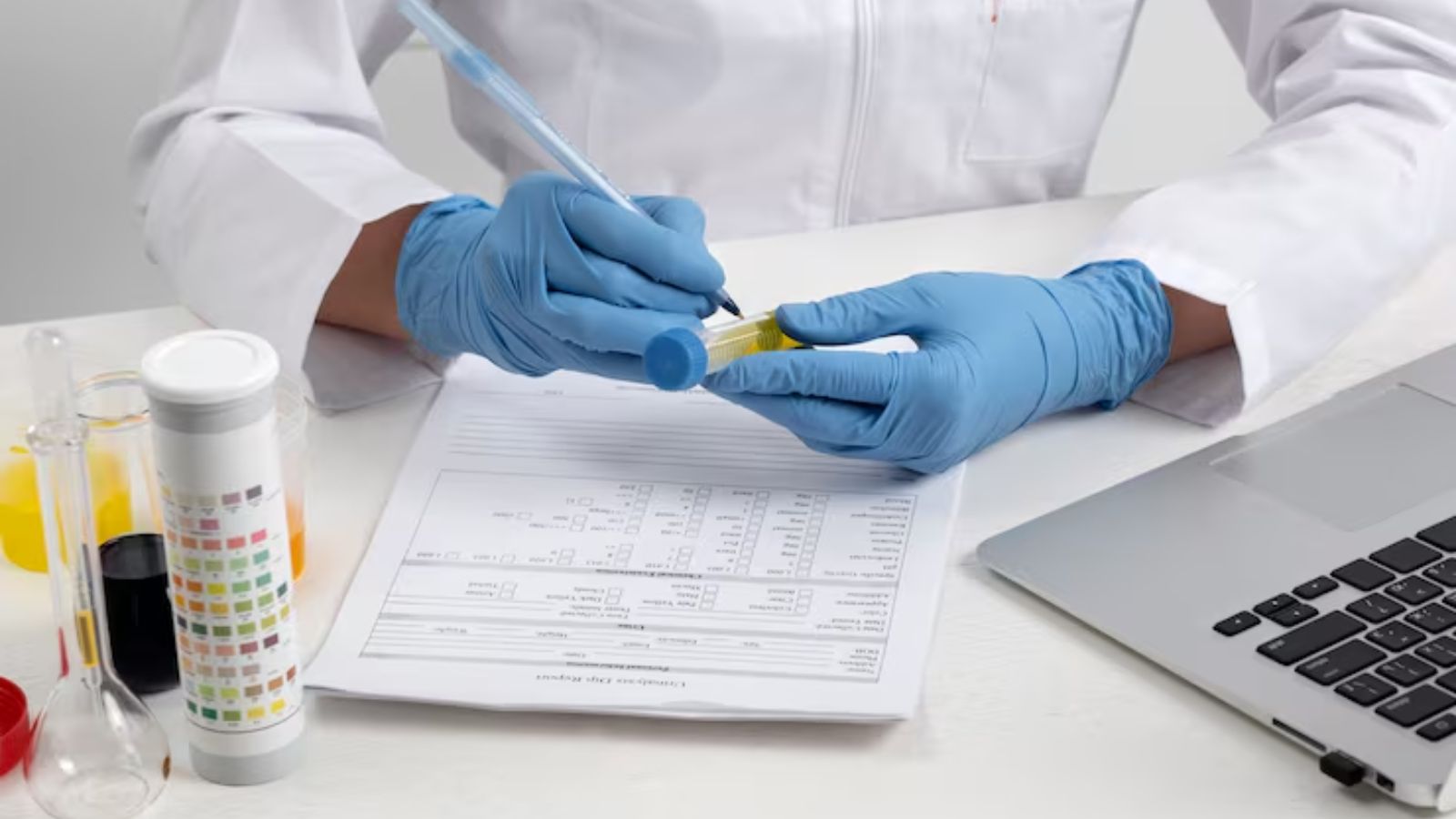
How to Dispute a False Positive DOT Drug Test Result
Imagine driving on I-90, passing the sparkling Cloud Gate at Millennium Park, and being very happy about your career. Then, you receive a call. Your recent drug test has been reported as non-negative. Your heart drops. You believe you haven’t touched the banned substance. Still, you might be facing a career-ending decision. At SAP Solutions, we encounter such situations far more frequently than one would think. A false positive DOT drug test is indeed very scary, and it may feel like the end of your career, but it is definitely not.
If you are a professional driver, a pilot, or a public transit operator, you need a clean record to maintain your job. But the system isn’t foolproof. Sometimes science gets a little muddled, and errors do occur in the lab. This handbook will help you prove your innocence. It also guides you through complex government rules.
The Reality of False Positives in DOT Testing
DOT-mandated tests are very important, but even then, they can still be affected by “cross-reactivity”. This refers to when a legal drug, like a cold medicine or some foods, can mimic the structure of an illegal drug during the first sample screening.
According to data from the FMCSA Drug and Alcohol Clearinghouse, positive drug tests accounted for about 81% of all reported violations from late 2024 to 2025. Although the majority of these are genuine positives, a tiny fraction of drivers are “false positive” victims. Studies in medical journals show that some drugs, like amphetamines, can have high “false positive” rates in initial tests. This happens before confirmatory testing verifies the results.
Common Culprits Behind the Confusion
What can turn the red flag on you may even surprise you. Here is a list of some common things that could mess up your results:
- OTC Meds: Many decongestants, like Sudafed (pseudoephedrine), often have structural analogs of amphetamines.
- Antidepressants: Some antidepressants, like Wellbutrin (bupropion) and Zoloft (sertraline), can sometimes cause issues.
- Pain Relief: High doses of ibuprofen (Advil/Motrin) or naproxen can sometimes cause a positive test for THC or barbiturates at the initial immunoassay stage, but this is rare.
- Dietary Choices: The “poppy seed bagel” excuse has some science behind it. Poppy seeds from Papaver somniferum contain tiny amounts of morphine and codeine.
Step 1: The MRO Interview, Your First Line of Defense
When a laboratory finds a positive result, it is not sent directly to your employer. First, it is sent to a Medical Review Officer (MRO). An MRO is a licensed doctor who serves as the independent “gatekeeper” ensuring the integrity of the DOT testing program.
This is your most critical window. The MRO will phone you and have a verification interview with you. This interview is your opportunity to give a “valid medical reason” for the result.
- Be Transparent: If you have a valid prescription, for instance, it would help if you got the pharmacy name and the doctor’s contact details ready.
- Check Your Records: Are you on any new supplements? Maybe you visited an urgent care recently?
- Stay Professional: Keep your composure. An MRO is a Medical Review Officer, whose role is to authenticate facts, not to be a judge of your character.
If the MRO decides that your prescription is the reason for the finding, they will communicate the test result as Negative to your employer. No harm, no foul.
Step 2: The DOT Drug Test Appeal Process, Requesting the “Split”
If the MRO rejects your reasoning, the final result shows “Positive.” At this point, the DOT drug test appeal process gets underway officially. According to 49 CFR Part 40, you are entitled to a legal right: the Split Specimen Test.
While giving your sample, the collector divided it into two bottles: Bottle A (Primary) and Bottle B (Split).
Your window is strictly 72 hours after the MRO informs you of a confirmed positive result to ask for testing of Bottle B.
How the Split Test Works
- Other Lab: Bottle B should be forwarded to a separate lab certified by the HHS other than the first one.
- Purpose: The secondary lab checks only the drug in Bottle A. If they can’t confirm the drug’s presence, the testing stops. You won’t be marked with a positive drug test.
- Cost: It is possible that your employer will make you pay for the split specimen test in advance; however, some company policies are different.
Step 3: Understanding the Return-to-Duty Journey
If the second test shows drugs, or if you miss the 72-hour deadline, the FMCSA Clearinghouse will place you in “Prohibited Status.” The rules became even tougher in late 2024: not only FMCSA, but states also have to lower your CDL level if you are in a prohibited status.
In order to resume driving a vehicle, you are required to go through the DOT return-to-duty procedure. This isn’t the “punishment” part. It’s a safety check to see if you’re fit, both physically and mentally, for the duties. This is the moment where we can help. With SAP Solutions, it will be like our experts will be with you every step of the way.
The FMCSA SAP Program Phases
- Initial Evaluation: You have a session with a certified Substance Abuse Professional (SAP).
- Treatment/Education Plan: The SAP outlines a personalized problem for you, which could range from a single class to a more in-depth program.
- Follow-up Evaluation: The SAP evaluates your recovery after you finish the plan.
- Return-to-Duty Test: You do a drug test under supervision. If you test negative, your “prohibited” status is removed.
- Follow-up Testing: You are likely to have several unannounced tests during this period.
| Step | Action Item | Who is Involved? |
| 1 | MRO Verification Interview | You & The MRO |
| 2 | Request Split Specimen (Within 72 hrs) | You & The MRO |
| 3 | Register in FMCSA Clearinghouse | You |
| 4 | Select an SAP (like SAP Solutions) | You & SAP Solutions |
| 5 | Complete Education/Treatment | You & Provider |
| 6 | Return-to-Duty Drug Screen | You & Employer |
Technical Glitches and Procedural Errors
Occasionally, the problem is not what you have ingested but rather the way in which the testing was completed. Although very few in number, what some people may call “fatal flaws” can result in a test being canceled. Here are a few examples:
- The specimen bottle’s seal was broken.
- The collector did not sign the Custody and Control Form (CCF).
- ID numbers on the bottle and the form do not match.
If you believe there’s been a procedural mistake, you ought to talk it over with your DOT SAP program, maybe even your legal counsel. Take a look at 49 CFR Part 40 to view the complete list of “cancelable” errors.
Strategies for a Successful Dispute
Knowing how to dispute DOT drug test result claims requires more than just saying “I didn’t do it.” You need documentation.
- Gather Receipts: If you purchased an over-the-counter medication at a pharmacy near Navy Pier, locate that receipt.
- List Supplements: Many “natural” energy boosters or gym supplements have hidden ingredients that are drugs.
- Expert Consultation: Don’t do it yourself. The rules are very complicated, and if you make a mistake, there can be a career break for many years.
At SAP Solutions, we think that every hardworking person should get a fair chance. We use our knowledge and skills to help clients succeed in the FMCSA SAP Program while keeping their self-respect. For us, it is not just a “violation number”; it is a person who is trying to help their family.
Final Thoughts: Protecting Your Future
A false positive on a Department of Transportation (DOT) drug test may appear as an insurmountable obstacle at first. However, if you take the proper measures, it is possible to recover. An incorrect test result may be due to either lab error or a misinterpretation of a medication. In either case, the federal regulations offer a procedure for resolving the issues.
Contact SAP Solutions today. Speak with an expert who understands the system. They will guide you through the DOT return-to-duty process easily. Visit our website to discover all our services and how we have been supporting drivers like you.
Frequently Asked Questions
Q: Can I keep driving while I dispute my test result?
Unfortunately, no. Once an MRO confirms that the test is positive, the employer is required to take the employee out of safety-sensitive positions right away. The employee is expected to stay off-duty until the entire return-to-duty procedure has been finalized.
Q: How long does a positive test stay on my record?
Violations in the FMCSA Clearinghouse last for five years. They stay longer if you haven’t completed the return-to-duty process and all follow-up testing.
Q: Does a “dilute” result count as a false positive?
A negative dilute means that the drug test found no drugs, but the sample was too diluted, so it probably shouldn’t be considered a true negative. Nevertheless, an employer may require immediate re-testing. A positive dilution, however, is basically a positive result and will be treated as such.
Q: Can secondhand smoke cause a false positive?
A: It is highly unlikely. DOT testing thresholds are set high. This ensures that casual or secondhand exposure to marijuana smoke won’t cause a positive result.
Learn More
How to Pass the SAP Follow-Up Testing Process?
The SAP follow-up testing process is a key step for safety-sensitive workers who want to return to duty after a DOT drug or alcohol violation. It is not a simple test. It is a structured plan made by a qualified Substance Abuse Professional. The goal is safety. The goal is compliance. The goal is long-term change.
If you understand the steps and follow the plan, you can complete the process in a smooth and stress-free way. This guide explains how to pass the SAP Testing Process in clear and simple terms.
What Is SAP Follow-Up Testing?
SAP follow-up testing is part of the DOT SAP program. It begins after you complete your required education or treatment. Your Substance Abuse Professional decides how many follow-up tests you must take and how often.
These tests are not random in the normal sense. They follow a plan. The plan can last from one year to five years. Most people have at least six unannounced tests in the first year.
The follow-up testing plan is strict. It is set by DOT rules. It is also recorded under the FMCSA SAP Program if you are a CDL driver.
Why Follow-Up Testing Is Important?
Follow-up testing protects public safety. It shows that you are serious about staying drug and alcohol free. It also proves that you can follow federal rules.
Under the clearinghouse SAP program, all violations and completions are recorded in the FMCSA Clearinghouse. Employers can see your status. You cannot skip this step.
Passing the process shows responsibility. It builds trust with your employer. It helps you keep your career.
Step 1: Complete the Initial SAP Evaluation
Before follow-up testing begins, you must complete an evaluation with a qualified Substance Abuse Professional.
The SAP will:
- Review your violation.
- Ask about your history.
- Decide if you need education or treatment.
- Create a plan for yourself.
If you are unsure about how to find a DOT SAP, look for a provider who is trained under DOT rules and has experience with safety-sensitive employees. The right professional will explain each step clearly.
Choosing a knowledgeable provider makes a big difference. It reduces confusion. It prevents mistakes.
Step 2: Finish Education or Treatment
You must complete the program that SAP recommends. This may include:
- Drug or alcohol education classes
- Counseling sessions
- Outpatient treatment
- Inpatient treatment in serious cases
Do not skip sessions. Do not delay your completion. Keep proof of attendance. Your SAP must confirm that you followed the recommendation.
Only after this step can you move forward.
Step 3: Take the Return-to-Duty Test
Before you return to a safety-sensitive job, you must pass a return-to-duty test. This test must be negative.
This test is different from follow-up testing. It is the first test after treatment. If you pass, your SAP will report your compliance in the clearinghouse SAP program.
After this, follow-up testing begins.
Step 4: Follow the SAP Follow-Up Testing Plan
Now the real commitment starts.
Your SAP follow-up testing plan will:
- Include at least six unannounced tests in 12 months.
- Possibly extend up to five years.
- Be directly observed in many cases.
- Be separate from your employer’s random testing program.
You must always be ready. The tests are not scheduled in advance. If you miss a test, it can count as a refusal. A refusal is treated like a new violation.
This is why preparation is important.
How to Pass the SAP Testing Process?
Passing does not require tricks. It requires discipline.
Here are simple and clear steps:
1. Stay Substance-Free
This is the most important rule. Avoid all illegal drugs. Avoid alcohol misuse. Even one mistake can restart the process.
2. Avoid Risky Situations
Stay away from environments where drugs or heavy alcohol use are common. Protect your progress.
3. Read Labels Carefully
Some over-the-counter products contain alcohol. Some supplements are unsafe. Always check ingredients.
4. Keep Contact Information Updated
Your employer must reach you quickly for testing. Make sure your phone number and email are correct.
5. Respond Immediately to Test Notices
When notified, go to the collection site without delay. Bring a valid ID. Follow instructions.
6. Stay Organized
Keep copies of all documents from your Substance Abuse Professional. Save completion letters and reports.
Simple habits create long-term success.
Common Mistakes to Avoid
Many people fail follow-up testing due to simple errors.
- Missing a test call
- Arriving late
- Using alcohol during the monitoring period
- Ignoring treatment advice
- Failing to communicate with the employer
The DOT SAP program does not allow shortcuts. Compliance is required at every step.
Understanding the FMCSA SAP Program
If you are a truck driver, the FMCSA SAP Program rules apply to you. Your violations and progress are stored in the Clearinghouse.
Your record stays active until you complete:
- The SAP evaluation
- Treatment or education
- The return-to-duty test
- The required follow-up testing plan
Employers check this record before hiring. That is why completing the process fully is important.
For a deeper explanation of the overall role of a DOT Substance Abuse Professional and how the full system works for truck drivers and safety-sensitive workers, you can review our detailed guide that explains the complete process step by step. That resource covers rules, timelines, and employer responsibilities in greater detail.
How to Find a DOT SAP You Can Trust?
If you are starting the process, you may ask, How to find a DOT SAP?
Look for:
- Proper DOT credentials
- Experience with CDL drivers
- Clear communication
- Knowledge of the clearinghouse SAP program
- Honest pricing
Avoid providers who promise fast shortcuts. There are no shortcuts in federal compliance.
A reliable Substance Abuse Professional will guide you from evaluation to final report.
Mental Preparation for Success
The SAP follow-up testing process is not only about drug testing. It is about mindset.
You must:
- Accept responsibility
- Commit to change
- Respect DOT rules
- Stay patient
The monitoring period may feel long. But it protects your career. Each passed test brings you closer to full compliance.
Think long term. Think about your job. Think about safety on the road.
When does the Follow-Up Period end?
Once you complete all required tests in your plan, your SAP will close your follow-up testing requirement.
Your employer will still include you in regular random testing. But the special monitoring plan ends.
At this point, you have completed the full DOT SAP program successfully.
Final Thoughts
How to Pass the SAP Testing Process is not a mystery. It requires honesty, discipline, and steady effort. Follow the plan made by your Substance Abuse Professional. Complete the treatment fully. Stay substance-free. Respond quickly to test notices.
The system is strict because safety-sensitive jobs affect public safety. When you comply with the FMCSA SAP Program and the clearinghouse SAP Program rules, you protect your future.
If you need guidance, professional support can make the path clearer. Experienced providers like SAP Solutions understand the DOT SAP program and help drivers and safety-sensitive workers move through each phase with confidence and proper documentation.
With the right steps and the right support, you can complete SAP follow-up testing and return to work with stability and trust.
Learn More
DOT Drug Test Myths That Get Drivers in Trouble
DOT drug testing is a serious matter for CDL drivers. Many drivers lose their jobs not because of drugs, but because of wrong beliefs. These beliefs are known as DOT drug test myths. They spread fast among drivers. They sound true, but they are not.
When drivers believe false ideas, they make mistakes. These mistakes can lead to violations. Violations can lead to job loss. They can also lead to problems with the FMCSA Clearinghouse.
This article explains the most common DOT drug testing myths for drivers. It also explains the real DOT drug test rules for CDL drivers. Knowing the truth can help drivers protect their careers.
Myth 1: DOT Drug Tests Only Happen After an Accident
Many drivers think drug tests happen only after a crash. This is not true.
DOT drug tests can happen many times. Random testing is common. Drivers can be tested before starting work. They can be tested after a violation. They can also be tested when there is a reason to suspect use.
Random tests do not need a warning. A driver can be selected at any time. Refusing a test is treated the same as a failed test.
This myth causes drivers to relax too much. That is when trouble starts.
Myth 2: CBD Products Are Always Safe
CBD is legal in many places. But DOT rules are different.
DOT drug tests do not test for CBD. They test for THC. Many CBD products contain small amounts of THC. This can cause a positive result.
DOT drug test rules for CDL drivers are very strict. A positive test is a violation, even if the drug was legal.
Drivers are responsible for what they put in their bodies. The label does not matter. The test result does.
Myth 3: One-Time Use Will Not Show on a Test
Some drivers think one-time use will not appear on a test. This belief is dangerous.
Drug detection depends on many things. It depends on the drug type. It depends on the body. It depends on the test time.
Even one use can show up. Even small use can cause a positive test.
DOT drug testing myths for drivers often come from guesswork. DOT testing is based on science, not guesses.
Myth 4: You Can Beat a DOT Drug Test
This is one of the oldest DOT drug test myths.
Drinking water does not work. Detox drinks do not work. Fake urine does not work. Substituting urine is a violation.
DOT tests are done under strict control. Labs check temperature. They check the color. They check chemical signs.
Trying to cheat can lead to more serious penalties. It can be listed as a refusal. That is worse than a positive test.
Myth 5: Prescription Drugs Are Always Allowed
Some drivers think prescriptions are safe. This is not always true.
DOT allows some prescription drugs. But the driver must tell the Medical Review Officer. The drug must not affect safe driving.
If a prescription causes impairment, it can still be a problem. If the drug is not reported, it can be a violation.
DOT drug test rules for CDL drivers place safety first. Legal does not always mean allowed.
Myth 6: If You Fail Once, Your Career Is Over
This myth causes panic. It is not fully true.
A failed test is serious. But it does not always end a career. There is a process to return to duty.
The clearinghouse fmcsa system records violations. It also records when a driver completes the required steps.
Drivers must complete a DOT SAP Program online or in person. They must follow treatment or education steps. They must pass a return-to-duty test.
Skipping this process is what ends careers. Not the failure itself.
Myth 7: The FMCSA Clearinghouse Is Optional
Some drivers think they can avoid the Clearinghouse. This is false.
The clearinghouse fmcsa is required by law. Employers must check it. Drivers cannot hide violations.
A violation stays visible until the process is completed. Changing companies does not erase it.
Ignoring the Clearinghouse SAP Program is one of the biggest mistakes drivers make.
Myth 8: Refusing a Test Is Better Than Failing
This is a very harmful belief.
Refusing a DOT drug test is treated the same as a positive result. In some cases, it is treated worse.
Walking away. Delaying. Leaving the site. All count as refusal.
This puts a violation in the Clearinghouse. The driver must still complete the SAP process.
Myth 9: Only Illegal Drugs Matter
DOT tests focus on specific substances. They test for drugs that affect safety.
Alcohol misuse also counts. Certain medications matter. Substance misuse matters, not just illegal drugs.
DOT drug testing myths for drivers often ignore alcohol rules. Alcohol violations are just as serious.
Myth 10: SAP Programs Are Just Paperwork
This belief stops drivers from finishing the process.
The DOT SAP Program, online or in person is not just about forms. It is a structured process. It includes evaluation. It includes follow-up testing.
SAP professionals decide what steps are needed. Skipping steps can block the return to work.
The Clearinghouse SAP Program exists to protect safety. It also gives drivers a legal path back to work.
Why do these myths cause so much damage?
These myths are spread by word of mouth. They spread online. They sound simple.
But DOT rules are not flexible. They are clear. They are enforced.
Believing myths leads to:
- Test refusals
- Positive results
- Clearinghouse blocks
- Job loss
Education is the best protection.
Understanding the Real Rules Helps Drivers Stay Safe
Drivers who know the truth make better choices. They prepare. They report correctly. They follow the process.
DOT drug test rules for CDL drivers are meant to protect lives. They also protect careers when followed correctly.
Ignoring the rules does not remove them.
Related Article: Can CDL Drivers Work While in the SAP Program?
Final Thoughts
DOT drug testing is not based on rumors. It is based on law and safety standards. DOT drug test myths can ruin a driving career faster than drugs themselves.
Drivers who face a violation should not panic. They should learn the correct steps. Professional guidance helps drivers complete the process correctly and avoid future mistakes.
Many drivers complete the Clearinghouse SAP Program and return to duty successfully. The key is understanding the rules and following them step by step.
Clear knowledge leads to clear roads ahead. You can contact SAP Solutions for additional information and help on Dot Drug testing.
Learn MoreWhat Happens After a DOT Drug Test Failure? Step-by-Step Timeline?
A DOT drug test failure is a serious matter. It affects work status. It also affects safety records. Many workers do not know what happens next. This creates stress and confusion. Knowing the process helps reduce fear. It also helps people take the right steps at the right time.
This guide explains what happens after a failed DOT drug test. The timeline is clear. The steps are simple. The rules follow federal standards. The goal is compliance, safety, and return to duty when allowed.
Step 1: The DOT Drug Test Result Is Verified
A DOT drug test does not fail right away. The lab first tests the sample. If the result is positive, the lab reports it to a Medical Review Officer. The Medical Review Officer is also called an MRO.
The MRO checks the result. They review prescriptions. They may contact the employee. If there is no valid medical reason, the test is marked as a DOT drug test failure.
At this stage, the result becomes official.
Step 2: Immediate Removal From Safety-Sensitive Work
Once the result is confirmed, action is required. The employee must stop safety-sensitive work. This is not optional. It applies to all DOT-regulated roles.
This step protects public safety. It also follows federal law. Employers must act at once.
A failed DOT drug test does not mean job loss right away. It means the person cannot perform safety-sensitive duties.
Step 3: Employer Reports to the Clearinghouse
For drivers under FMCSA, the employer must report the violation. This report goes into the Clearinghouse FMCSA system.
The Clearinghouse stores drug and alcohol violations. Employers use it to check compliance history. Other employers can see the record if permission is given.
This report usually happens within a few days. Once listed, the violation stays until the process is completed.
Step 4: Understanding FMCSA Drug Testing Rules
The next step is rule awareness. FMCSA drug testing rules are strict. They do not allow shortcuts. Every step must follow the order set by the DOT.
The rules explain what must be done. They also explain what cannot be skipped. A person cannot return to work without completing the full process.
This includes evaluation, education, and testing.
Step 5: Referral to a DOT SAP
After a DOT drug test failure, the employee must see a SAP. SAP means Substance Abuse Professional. This step is mandatory.
The SAP does not work for the employer. The SAP works independently. Their role is to protect safety and follow DOT standards.
The SAP evaluates the situation. They review the test result. They assess behavior and risk. They then decide what education or treatment is needed.
Some people use a DOT SAP Program Online for this step. Online options may be allowed when they meet DOT standards.
Step 6: SAP Evaluation and Written Plan
The SAP evaluation is detailed. It is not rushed. The SAP gathers information. They ask direct questions. The focus is compliance, not punishment.
After the review, the SAP creates a plan. This plan may include education. It may include treatment. The plan depends on the case.
The SAP sends this plan to the employer. The employer must follow it.
This plan becomes the path forward.
Step 7: Completing the SAP Requirements
The employee must complete all steps in the SAP plan. This may take weeks or months. Time depends on the required program.
Attendance matters. Completion matters. Proof matters.
The SAP will not clear anyone who does not finish the plan. Partial completion is not accepted.
Some people complete these steps through a Clearinghouse SAP Program that aligns with DOT standards.
Step 8: Follow-Up Evaluation by the SAP
Once the plan is finished, the employee returns to the SAP. This is called the follow-up evaluation.
The SAP checks all records. They confirm completion. They confirm compliance.
If everything is complete, the SAP issues a return-to-duty recommendation. This recommendation is required to move forward.
Without it, the process stops.
Step 9: Return-to-Duty Drug Test
After SAP approval, a return-to-duty drug test is required. This test must be negative.
The test is observed. It follows DOT procedures. It cannot be skipped.
A negative result allows the employee to return to safety-sensitive work. A positive result restarts the process.
Step 10: Follow-Up Testing Schedule
Returning to work is not the final step. The SAP sets a follow-up testing plan. This plan can last up to five years.
The tests are unannounced. The employee does not choose the timing. The employer must carry it out.
Missing a follow-up test is a violation. This step ensures long-term compliance.
How Long Does the Full Process Take?
There is no fixed timeline. Some cases move faster. Others take longer.
Factors include:
- Speed of SAP appointment
- Length of education or treatment
- Availability of testing
- Personal compliance
What matters most is completing every step correctly.
Common Mistakes After a DOT Drug Test Failure
Many people delay action. This causes longer downtime. Some people ignore Clearinghouse records. Others try to return to work early.
These actions make the problem worse.
The DOT process does not allow shortcuts. Following the steps in order is the safest path.
Why This Process Exists?
The DOT system focuses on safety. It also supports structured return to duty.
A DOT drug test failure is serious. It does not end a career by default. It creates a compliance path.
Those who follow the path can return to work. Those who ignore it remain inactive.
Related Article: DOT Alcohol Testing Rules Every CDL Driver Must Know
Final Thoughts
A failed DOT drug test brings stress. It also brings responsibility. Understanding the timeline removes confusion.
The process is clear when explained step by step. From verification to follow-up testing, each stage has a purpose.
Those who act early, follow rules, and work with qualified SAP professionals like SAP Solutions complete the process smoothly. Structured programs and proper guidance can help individuals move forward while staying compliant with DOT standards.
Learn More
DOT Urine Drug Testing Protocol: Step-by-Step Overview
The DOT urine drug testing protocol is a federally regulated process designed to ensure safety in transportation-related jobs. It applies to employees who perform safety-sensitive duties under Department of Transportation regulations. These rules are enforced to reduce risk, prevent substance misuse, and protect the public.
Understanding how the DOT urine drug test works is important for both employees and employers. The process follows strict steps. Each step exists to ensure accuracy, fairness, and compliance with federal law. This article explains the full DOT drug testing procedures in a clear and structured way.
Purpose of DOT Urine Drug Testing
DOT urine drug testing is required to maintain safety across regulated industries. It is not meant to punish workers. It exists to detect prohibited drug use that could affect judgment, reaction time, or decision-making.
The test only checks for substances approved by DOT guidelines. These substances are selected based on safety risk, not personal behavior. The testing process is standardized nationwide. This ensures consistent results regardless of location.
Who Must Follow DOT Drug Testing Procedures
DOT drug testing procedures apply to employees in safety-sensitive roles. These roles include commercial vehicle drivers and other regulated transportation workers. Employers regulated by DOT agencies must follow the same procedures.
Employees cannot refuse a required DOT urine drug test. A refusal is treated the same as a positive result. This includes failure to appear, delays, or attempts to tamper with the test.
Types of DOT Urine Drug Tests
There are several situations where a DOT urine drug test may be required. These include pre-employment testing, random testing, post-accident testing, reasonable suspicion testing, return-to-duty testing, and follow-up testing.
Each test type follows the same DOT urine drug testing protocol. The only difference is the reason for the test. The collection and testing steps do not change.
Step 1: Employee Notification
The process begins when the employee is notified of the test. Notification may be scheduled or immediate. Random tests are unannounced. Post-accident tests occur after a qualifying incident.
Once notified, the employee must proceed to the collection site promptly. Delays are not allowed unless there is a valid reason. Timing is a critical part of DOT compliance.
Step 2: Arrival at the Collection Site
The employee reports to a DOT-certified collection site. The site must follow federal standards. The collector must be trained and qualified.
The employee presents valid identification. The collector explains the testing process and provides instructions. The goal is clarity and transparency before collection begins.
Step 3: Urine Sample Collection
The urine sample is collected in a secure restroom. In most cases, the collection is unobserved. Direct observation is only used in specific situations allowed by DOT rules.
The employee must provide a minimum amount of urine. The collector checks temperature and appearance to ensure the sample is valid. These checks help prevent tampering.
Step 4: Sealing and Documentation
After collection, the sample is split into two bottles. These are sealed in the employee’s presence. The employee initials the labels to confirm accuracy.
The collector completes the chain-of-custody form. This document tracks the sample from collection to testing. Proper documentation is essential for valid results.
Step 5: Laboratory Testing
The sealed sample is sent to a DOT-certified laboratory. Only approved laboratories are allowed to conduct DOT urine drug tests. The lab follows strict handling and testing protocols.
An initial screening test is performed first. If the result is negative, the process ends. If the result is positive, a confirmation test is conducted using more advanced methods.
Step 6: Medical Review Officer Review
All confirmed results are reviewed by a Medical Review Officer. The MRO is a licensed physician trained in DOT drug testing procedures.
If the result is positive, the MRO contacts the employee. The employee may provide medical documentation for valid prescriptions. If the explanation is acceptable, the result may be changed to negative.
If no valid explanation exists, the result remains positive. The employer is then notified.
Step 7: Employer Action and Reporting
When an employer receives a verified positive result, the employee must be removed from safety-sensitive duties immediately. This step is mandatory.
For regulated drivers, the violation must be reported to the clearinghouse fmcsa system. This database tracks drug and alcohol violations nationwide. It helps employers make informed hiring decisions and improves public safety.
Step 8: SAP Evaluation Requirement
After a DOT drug test violation, the employee must complete the return-to-duty process. This begins with an evaluation by a Substance Abuse Professional.
The SAP determines what education or treatment is required. Some individuals complete a dot sap program online, depending on approval and circumstances. Others may attend in-person programs.
Completion of the SAP process is required before returning to duty. Follow-up testing may also be ordered. Progress is recorded in the clearinghouse SAP program to ensure compliance.
Importance of Compliance
The DOT urine drug testing protocol protects everyone involved. It ensures employees are treated fairly. It ensures employers meet federal obligations. It also helps maintain trust in transportation systems.
Mistakes such as using non-certified sites, incomplete paperwork, or delayed reporting can cause serious issues. Understanding the full process helps prevent these errors.
Professional Support Matters
Navigating DOT drug testing procedures and SAP requirements can be complex. Clear guidance helps employees complete the process correctly. It also helps employers avoid compliance risks.
Professional SAP service providers, such as SAP Solutions, support individuals through evaluations, education planning, and return-to-duty steps. Their structured approach helps ensure that DOT rules are followed accurately and efficiently.
Related Article: Can a Driver Report a Failed RTD Test Without an Employer in 2026?
Conclusion
The DOT urine drug testing protocol is a structured and legally required process. Each step serves a specific purpose. From collection to clearinghouse reporting, accuracy and compliance are essential.
Understanding how the DOT urine drug test works reduces confusion and stress. It also supports safer workplaces and responsible career recovery. When handled correctly, the process protects public safety while allowing individuals a clear path forward.
Learn More
Are DOT Return-to-Duty Drug Tests Observed? DOT Observation Rules Explained
Strict drug and alcohol regulations are in place, set by the Department of Transportation, and these regulations impact the safety-sensitive workers. Commercial drivers and other employees regulated by the DOT are to be counted in this regard.
A worker who violates a DOT drug or alcohol regulation is forbidden to return to work immediately. He/she has to go through the return-to-duty process without exception, which includes a drug test as one of the steps involved.
The question has been raised many times, and that is whether the DOT return-to-duty drug test is observed as regular drug tests are done. The answer is affirmative; in most cases, the test will be required to be observed.
This article is going to talk about the DOT observation requirements. It will also describe the SAP program’s functioning and the FMCSA clearinghouse’s role.
What Is DOT Return-to-Duty Drug Testing?
DOT return-to-duty drug testing happens after a DOT violation. A violation may be a positive drug test. It may also be a test refusal.
The worker cannot perform safety-sensitive duties until all DOT steps are complete. This includes evaluation, education, or treatment, and testing.
This test is different from other DOT tests. It follows stricter rules. DOT return-to-duty drug testing is required by federal law.
Is the DOT Return-to-Duty Drug Test Observed?
Yes. A DOT return-to-duty drug test is required.
DOT rules state that return-to-duty tests must be directly observed. This means a trained person watches the urine enter the cup.
Observation helps prevent cheating. It helps ensure test accuracy. DOT requires this because a violation already happened.
Even if the past issue was not cheating, observation is still required.
Why DOT Requires Observed Testing?
DOT rules focus on safety. Transportation jobs involve risk. Public lives may be affected.
Observed testing lowers the chance of false samples. It ensures the test result is valid.
Because return-to-duty testing follows a violation, DOT uses stricter control.
This is why DOT return-to-duty drug testing is more controlled than random testing.
DOT Observation Requirements
DOT observation requirements are clear and strict.
The observer must be trained. The observer must be the same gender as the employee. The observer does not touch the employee. The observer only watches the urine leave the body.
The observer explains the steps before the test. The collection site must follow DOT rules exactly. If the test is not observed when required, the test may be rejected.
When is observation always Required?
Observation is always required for return-to-duty testing. It is also required for follow-up testing. Follow-up tests occur after the worker returns to duty.
These tests are unannounced. The worker does not know the test dates in advance. Every follow-up test is also observed.
What Is the SAP Program?
The SAP program is a DOT-required process. SAP means Substance Abuse Professional.
A Substance Abuse Professional is trained and qualified. This person evaluates the worker after a violation. The SAP reviews the worker’s history. The SAP decides what education or treatment is needed. The worker must complete all SAP recommendations. Sap Solutions is one of the best service provider that can help you know more about it.
Role of the Substance Abuse Professional
The Substance Abuse Professional guides the process. The SAP follows DOT rules. The SAP does not work for the employer. The SAP is neutral.
After treatment or education, the SAP reviews progress. If all steps are complete, the SAP approves the return-to-duty test. Without SAP approval, testing cannot move forward.
Clearinghouse FMCSA and DOT Compliance
The FMCSA clearinghouse is a federal system. It stores DOT drug and alcohol violations.
- Employers must report violations to the clearinghouse FMCSA database.
- SAPs also update the system after the worker completes the SAP program.
- A worker cannot return to duty until the clearinghouse shows completion.
- This includes SAP evaluation, treatment completion, and a negative test.
DOT SAP Program Online Options
Some parts of the DOT SAP program can be done online. A DOT SAP program online may include evaluations or education sessions.
Online programs must still follow DOT rules. The SAP must be qualified. Even when parts are done online, the drug test must be done at a certified site. Observation rules still apply.
Clearinghouse SAP Program and Follow-Up Testing
The clearinghouse SAP program includes follow-up testing.
- Follow-up testing is required after return-to-duty approval.
- The Substance Abuse Professional sets the follow-up plan.
- The plan includes at least six observed tests in twelve months. Testing may continue for up to five years.
- Missing follow-up tests is a new violation.
Common Misunderstandings
- Some workers think observed tests are punishment. This is not true.
- Observation is a safety step. It is required by DOT law.
- Others believe observation can be skipped. This is also false.
- DOT observation requirements cannot be changed by employers or clinics.
Why DOT Rules Must Be Followed?
DOT rules are federal rules. They apply to all DOT-regulated workers. Missing steps can delay return-to-duty approval. Errors in testing can cause retesting. Clearinghouse delays can block work. Understanding DOT return-to-duty drug testing helps avoid problems.
Looking for DOT SAP Solutions?
Get expert guidance, compliance support,
and personalized solutions.
Contact us today.
Final Overview
A DOT return-to-duty drug test is required by law. Observation protects safety and test accuracy. DOT observation requirements are strict and clear.
The SAP program supports recovery and compliance. The Substance Abuse Professional guides the process. The clearinghouse FMCSA system tracks completion and protects transparency.
With the right guidance and proper steps, workers can return to duty in a lawful and safe way.
Learn More